Caring for a Senior Dog: Keeping Them Comfortable, Active & Well
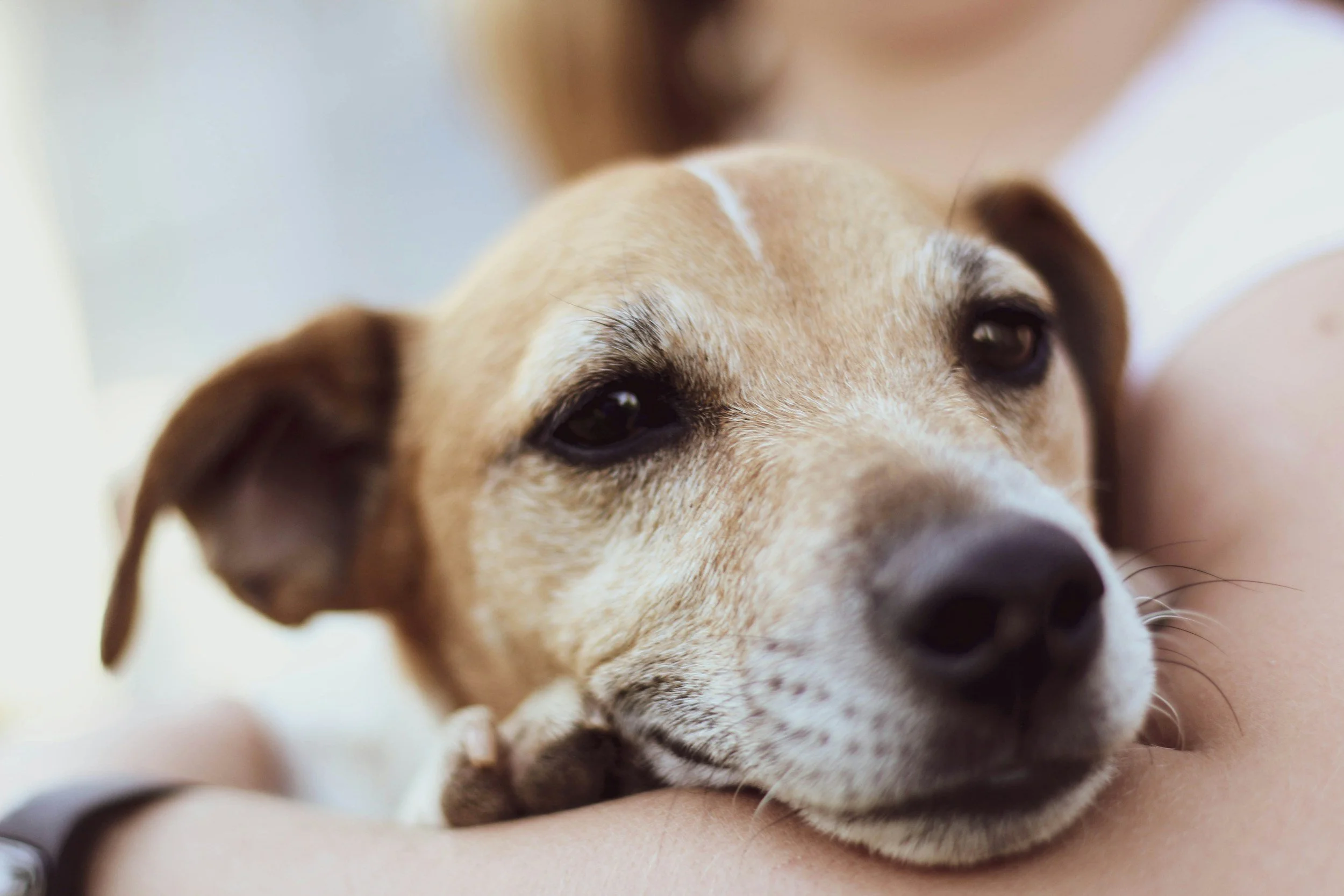
Dogs don't age in a day. One month you notice they take the stairs more slowly, the next they're less keen on the long walk, and eventually the changes become the new normal. It's easy to put all of it down to "just getting old." Some of it is, but a lot of what we assume is ageing is actually discomfort or illness that can be helped. This post is about the broader picture of senior care: what changes, what to watch for, and how to keep an older dog comfortable and engaged. If you're after the grooming side, I cover that in my post on grooming an older dog.
When a Dog Counts as a Senior
It varies with size. Small breeds are generally considered seniors from around 10 to 11, medium breeds from around 8 to 9, large breeds from around 7, and giant breeds from as early as 5 to 6. These are rough guides. Some dogs are slowing down earlier, and plenty are sprightly well beyond them. What matters more than the number is how your individual dog is doing.
Don't Dismiss Changes as "Just Age"
This is the most useful habit to build. Slowing down, sleeping more, being reluctant on walks, or becoming less interested in food can all be part of ageing, but they can also be signs of pain, dental disease, heart or kidney problems, or other conditions that respond to treatment. If something has changed, it's worth asking what's behind it before accepting it as inevitable.
Signs worth taking seriously:
Stiffness when getting up, or hesitating at stairs, the car or furniture they used to jump on
Reluctance to be touched in certain places, or flinching when handled
Restlessness at night, panting when resting, or difficulty settling
Eating less, dropping food, or chewing on one side
Increased drinking or urination
Weight loss, or noticeable loss of muscle over the hips and back
New lumps or bumps
Confusion, getting stuck in corners, or changes in sleep pattern
Accidents in the house in a dog who was reliably house-trained
Regular Check-Ups
Many vets recommend seniors are seen about every six months instead of once a year, since changes can happen quickly in an older dog. A check-up is a chance to weigh your dog, check the heart and lungs, look in the mouth, feel for lumps and discuss any bloodwork. Bring a list of anything you've noticed, even if it seems small, and video if something only happens at home. If you prefer a holistic approach, a vet who works that way can combine conventional diagnostics with other support. Whatever route you take, finding out what's going on comes first.
Joints and Mobility
Arthritis and general joint stiffness are among the most common problems in older dogs, and they're also among the most under-recognised, because dogs hide pain. Often the first sign isn't limping but a slower, stiffer, quieter dog.
What helps:
Keeping weight lean: Excess weight puts extra strain on stiff joints, and it's one of the most effective things you can control. Check your dog's body condition with your hands: you should be able to feel their ribs without pressing hard.
Gentle, regular movement: Little and often is better than one long walk followed by a day of stiffness. Gentle, steady walking, sniffing time and swimming where suitable keep joints moving and muscles working.
Natural joint support: There are several natural options worth knowing about.
Omega-3s have the strongest evidence for easing arthritis pain in dogs. Whole food sources such as fish bone broth, or krill or algae supplements, are better choices than standard fish oil, which oxidises easily.
Green lipped mussel, covered in my post on small additions to the bowl, provides omega-3s alongside glucosamine and chondroitin, and many owners use it for exactly this reason.
Turmeric and curcumin are widely used for their anti-inflammatory action. Some small trials in dogs have found reduced pain and inflammation, but others haven't, so the evidence is still limited. Curcumin is poorly absorbed on its own, so choose a product designed to deal with that, or make Golden Paste, which combines turmeric with black pepper and a healthy oil.
Glucosamine and chondroitin turn up in most joint products, but trial results are mixed and a 2022 review found little effect on pain, so don't rely on them alone.
I'll be covering supplements in much more depth in an upcoming post. In the meantime, check with your vet before starting anything, especially if your dog takes medication, since some natural supplements, including turmeric and omega-3s, can affect blood clotting.
Physical support: Hydrotherapy, physiotherapy and acupuncture are options some dogs benefit from, ideally with a qualified practitioner. Light-based therapy, also called red light therapy, low-level laser or photobiomodulation, is increasingly offered by vets and rehabilitation clinics, and several small trials in dogs with arthritis have found reduced pain and improved comfort compared with sham treatment. Pulsed electromagnetic field (PEMF) therapy has also shown promising results in a small trial, though findings across studies are less consistent. Most of the research uses professional equipment and treatment courses delivered by a trained practitioner, so I'd start there rather than with a home device.
Natural support for mild discomfort: For mild stiffness, some natural options have research behind them, though none replaces proper pain relief if your dog is clearly hurting. Omega-3s have the best evidence, so I'd start there. Undenatured type II collagen and boswellia (an extract from Indian frankincense) have shown benefit in some small trials, but reviews rate the evidence as limited. CBD has also been studied, with some reduction in pain scores, though the evidence is uncertain, so it's one to discuss with your vet. Gentle massage and warmth add comfort for many dogs. Natural doesn't mean risk-free. Herbs such as willow bark have an aspirin-like action and can upset the stomach, and some supplements shouldn't be combined with prescribed pain relief, so check with your vet first.
Pain management: If your dog is clearly uncomfortable, talk to your vet or holistic vet about options. Untreated pain reduces quality of life, and getting a dog comfortable is part of caring for them.
Making the Home Easier
Small changes make a big difference to a dog with stiff joints. Where you can, choose natural, low-emission materials, because an older dog spends more hours lying down and breathing in whatever their bed is made of.
Supportive, natural bedding: Many orthopaedic beds are made from memory foam, which is polyurethane and releases volatile compounds as it off-gasses, particularly when new. Better choices are beds filled with wool, natural latex, coconut fibre or lambswool, which are supportive, naturally temperature-regulating and need no chemical flame retardants. Baavet's wool-filled beds and Hixx's beds, built from organic latex, coconut fibre and British lambswool, are both ones I've covered in my post Are We Loving Our Dogs to Death? and suit stiff or older dogs well.
Non-slip surfaces: Rugs and runners on slippery floors give stiff or unsteady dogs confidence. Look for natural fibres such as wool, cotton or jute with natural rubber backing, and avoid PVC or vinyl-backed mats, which can give off a chemical smell. Wash any new mat before use.
Ramps and steps for the car, sofa or bed if they used to jump up. Solid, untreated or water-based-finished wood with a grippy natural surface is a better choice than plastic or heavily varnished ramps.
Warm, natural blankets: Wool or organic cotton blankets add warmth without synthetic fibres, which suits older dogs who feel the cold.
A soft wool sleeping jumper or vest: This suits short-coated and fine-coated dogs best, such as Greyhounds, Whippets, Boxers and Staffies, along with thin senior dogs who've lost muscle and feel the cold more. Double-coated breeds like Huskies, Labradors and Golden Retrievers generally have their own insulation and can easily overheat, so most won't need one. For dogs who do, a soft jumper or vest in natural wool helps keep the core and back warm, especially overnight. I make my own, because I can get the fit and the stretch right: it needs to be stretchy and non-restrictive, so it moves with your dog and doesn't pull across stiff joints or limit how they stand, lie down or stretch. If you knit, there are plenty of dog jumper and vest patterns on Ravelry, so look for stretchy stitches and soft natural wool yarn. Whether you make one or buy one, check that it fits snugly without being tight around the chest, shoulders or legs, and avoid anything with fastenings, loose threads or dangling parts. Watch for overheating, and take it off if your dog pants or seems restless. It isn't suitable for a dog who chews fabric. Wool is breathable and regulates temperature naturally, which synthetic fleece doesn't do as well, and washing it gently on a cool setting keeps it soft.
Keeping essentials accessible, and raised bowls: Keep food, water and the bed on the same level of the home, without having to navigate stairs. A raised feeder can also help a dog with a stiff neck, shoulders or front legs, because it saves them bending right down to eat and drink. Choose a height that lets your dog eat with their neck in a natural position, without stretching up. One important exception: in large and giant deep-chested breeds, a large study in the Journal of the American Veterinary Medical Association linked raised feeders to a higher risk of bloat (gastric dilatation volvulus), a life-threatening emergency. If your dog is a large or giant breed, talk to your vet before raising their bowls. For bowls themselves, stainless steel is a safe, non-toxic choice, as I covered in my post Are We Loving Our Dogs to Death?, and a solid wood or metal stand is better than plastic.
Warmth: Older dogs lose heat more easily, so keep their resting places draught-free and off cold floors. For dogs who can step up easily, a bed raised slightly off the floor keeps them clear of draughts and cold tiles, but skip this if your dog struggles with steps, and choose a low, stable frame. In cooler months, drape a blanket or cover over the crate to make it a cosier, more sheltered den. Leave one side open or the front uncovered so air can circulate, and check your dog isn't getting too warm. Use natural wool or cotton, and make sure no fabric hangs inside where it could be pulled in and chewed. A coat on chilly walks helps too.
Whatever you buy, air new items in a well-ventilated room for a few days before your dog uses them, since even natural products can carry a smell from manufacturing.
Helpful Aids
A few simple aids can make a real difference to an older dog's confidence and independence.
A halo for dogs with failing sight or blindness: Muffin's Halo is a lightweight harness with a halo hoop that sits just above eye level. It bumps into furniture and walls before your dog's face does, and the contact teaches them to change direction and gradually map their home. I like it for dogs losing their sight and for blind dogs finding their way around. Let your dog sniff it first, introduce it gradually, and keep an eye on them while they get used to it.
A support harness or sling: For dogs who struggle to get up, manage stairs or get into the car, a harness with a handle lets you take some of their weight and keeps them steady.
A dog wheelchair (mobility cart): For dogs with severe hind-end weakness, a properly fitted wheelchair can keep them moving, with advice from your vet or a rehabilitation practitioner.
A dog pram or bike trailer: For a senior dog who can no longer manage long walks but still loves getting out, a pram or trailer lets them keep going to their favourite places. I used an InnoPet Sporty Dog Trailer for my senior dogs and it was great. I used it every day to take them outside and for long walks, with them hopping out every now and again for a stretch and a sniff. It also connects to a bike, so I could take them on gentle bike rides, which they absolutely loved. Trailers and prams are also useful for dogs recovering from surgery or injury, and some dogs who are anxious, partly sighted or confused find the closeness reassuring. InnoPet make a range in sizes from small dogs up to about 50kg, and they're sold in the UK. If you try bike rides, keep the pace gentle, use the safety tether, and watch your dog's comfort and temperature. Choose a trailer with good ventilation and a stable base, and introduce it gradually with treats so your dog sees it as a pleasant place to be.
Whatever you choose, introduce it slowly and positively, and make sure it fits well. An aid that rubs, restricts or frightens your dog defeats the purpose.
Diet and Weight
Older dogs often need fewer calories but still need good nutrition, and many lose muscle with age even when their weight stays the same. Two points are worth knowing:
Don't automatically cut protein. It's a common belief that seniors need less, but older dogs often need as much high-quality protein as younger adults to hold on to muscle. Reduce it only if a vet advises it for a specific health reason.
Watch for weight loss as well as weight gain. Unexplained weight loss in a senior is worth a vet visit.
Fresh, whole food additions covered in my post on small additions to the bowl are a gentle way to add nutrition and variety. I'll also be going into much more detail on how a dog's nutritional needs change at every stage, from puppy to senior, in an upcoming post called Feeding Your Dog Through Every Life Stage. Appetite changes can also point to dental trouble, which brings me to the mouth.
Teeth and Mouth
Dental disease becomes much more common with age and is a frequent hidden cause of reluctance to eat, bad breath and general low mood. Pain from a bad tooth can make a dog seem like they're just "getting old." Checking the mouth regularly, and keeping up with dental care, matters even more in the senior years. Everything I cover in my post Dog Dental Health: What Actually Works applies here, and a professional dental check is worth discussing with your vet if you've noticed anything.
Senses
Hearing and eyesight often decline with age, and because it happens gradually, it's easy to miss. Dogs are very good at coping, using scent, memory and routine to get around, so a dog can lose a lot of sight or hearing before an owner notices. Many adapt well, and a dog with fading senses can still live a full, happy life with a little help from you.
Signs of hearing loss:
Not responding to their name, or to the doorbell or the sound of their lead
Sleeping through things that would have woken them before
Being startled when touched or approached from behind
Barking more, or louder than usual
Signs of failing sight:
Bumping into furniture or doorframes
Hesitating on stairs, in dim light or in unfamiliar places
Being startled by things appearing suddenly
Missing a thrown toy or treat they would once have caught
A note on cloudy eyes. A bluish-grey haze in an older dog's eyes is very common and often just an age-related change that doesn't affect vision much. Cataracts look whiter and can affect sight, and the two can be hard to tell apart, so a vet should check any cloudiness.
When to see your vet: Some causes are treatable, such as ear infections or wax buildup affecting hearing, or cataracts and other eye conditions affecting sight. Sudden changes, red, painful or bulging eyes, or a dog who suddenly seems blind need prompt attention.
Helping a dog with fading senses:
Keep furniture and routines consistent so your dog can navigate by memory.
Use touch, vibration or hand signals for a dog who can't hear, and approach gently so they aren't startled.
Use scent, texture and consistent routes for a dog who can't see well.
Don't startle a sleeping dog. Let them see or smell you before you touch them.
Doggy Dementia (Canine Cognitive Dysfunction)
This is one of the most overlooked conditions in older dogs. Canine cognitive dysfunction, often called doggy dementia, is an age-related decline in memory, awareness and behaviour, similar in some ways to dementia in people. Estimates suggest that around 14 to 22% of dogs over eight show signs, and the figure rises steeply with age. It's also under-recognised, because early signs are subtle and easily put down to "just getting old."
Signs to watch for: Vets use the acronym DISHAA:
Disorientation: getting lost in familiar rooms, staring at walls, getting stuck in corners or behind furniture
Interactions: changes in how they relate to you, other pets or visitors, such as seeming less interested, or clingier than usual
Sleep-wake changes: sleeping more by day and restless, pacing or vocal at night
House-soiling: accidents in a dog who was reliably house-trained, or forgetting learned routines
Activity changes: less interest in play or walks, or aimless pacing and repetitive behaviour
Anxiety: new fear, restlessness, or distress when left alone, which can look like the separation anxiety I covered in my post on that topic
What to do: If you notice any of these, see your vet. Other conditions, such as pain, sensory loss, and thyroid, kidney or urinary problems, can look very similar, and they need ruling out. Early recognition matters, because support works better in the earlier stages.
What can help: Dementia can't be cured, but there's a lot you can do to support a dog living with it:
Routine. A predictable day is reassuring for a dog who's finding the world confusing.
Mental stimulation. Gentle enrichment, such as sniff walks, food puzzles, short training games and new but simple things to explore, helps keep the brain active. I wrote about how dogs experience the world through scent in my post on what's going on inside a dog, and a slow sniff walk can tire an older dog mentally without stressing their joints.
Nutrition. In a 90-day trial of 87 dogs with signs of dementia, a diet enriched with medium-chain triglycerides (MCTs) and other brain-supportive nutrients improved all six DISHAA categories. Omega-3s, particularly DHA and EPA from marine sources, also have research behind them for supporting ageing brains.
Comfort at night. A warm, quiet, familiar sleeping spot, soft lighting, and keeping the layout of the house the same all help a dog who's restless or disoriented after dark.
Bladder, Bowels and Dignity
Some senior dogs start having accidents, or need to go more often. It's common, it's rarely deliberate and it isn't something to scold. It can come from weakened muscle control, medical conditions, cognitive changes or simply being unable to get up and out in time. If it's new, mention it to your vet. Practical help includes more frequent toilet breaks, easy access to outdoors, washable bedding and keeping the skin clean to prevent scalding.
Common Conditions in Older Dogs
Heart, kidney and thyroid problems, and some cancers, become more common with age. This is a big reason six-monthly check-ups matter: many are easier to manage when caught early. Signs to bring to your vet quickly include persistent coughing or tiredness on exercise, a big change in thirst or urination, a swollen belly, laboured breathing and any lump that's new or changing. Itchy, sore or changing skin is also worth checking. My post on why dogs itch covers the main causes.
Keeping Life Interesting
Older dogs still want company, routine and things to look forward to. Shorter, more frequent walks, a favourite route taken slowly, time sniffing, and gentle play suited to their body keep them engaged. Let them set the pace. Many older dogs prefer calm, steady companions and find lively dogs wearing, so watch their body language in greetings, as I covered in my post on reading your dog's body language.
Thinking About Quality of Life
Every owner of an older dog eventually has to think about how their dog is really doing. It's a hard subject, but it's better approached early and calmly than in a crisis. Questions worth asking honestly: Is my dog in pain that can't be managed? Do they still enjoy food, company and things they love? Are there more bad days than good? Writing down good and bad days can make patterns clearer, and your vet can help you assess quality of life. You know your dog best, and you'll be better placed to make a kind decision if you've already been paying close attention.
When to Call the Vet
Don't wait for the next check-up if your dog:
Collapses, or seems suddenly weak
Has laboured or fast breathing at rest
Stops eating or drinking
Has repeated vomiting or diarrhoea
Seems in obvious pain, or can't get up
Has a sudden change in behaviour or becomes confused or disoriented
Has a swollen or hard belly, or retches unproductively
A Final Thought
Senior dogs are a real passion of mine, and if there's one thing I'd like you to take from this post, it's this: please don't give up on them.
A senior dog can't always do what they once did. They may not chase the ball, leap into the car, bounce through the door at the sight of a lead, or do the silly things that made you laugh when they were young. It's easy to mourn what's gone, and a bit of sadness is natural. But the dog in front of you hasn't stopped being the dog you love. They're still there, in the way they lean against your leg, follow you from room to room, and settle at your feet at the end of the day.
What changes is what they need from us. Older dogs need gentle care, attentiveness and understanding. They need us to notice the small things, a slower step, a stiff morning, a new reluctance, a change in appetite, and to ask what's behind it, not wave it away as "just age." They need patience when they're slower on the walk, when they have an accident, when they seem confused, or when they simply need a little more time. They need us to adapt, with a softer bed, a warmer coat, a ramp for the car, shorter walks and more sniffing, so their days stay comfortable and full of the things they still enjoy.
A slow, sniffy amble can be as good for a senior dog as a long run once was. A quiet cuddle on the sofa, a favourite treat, a warm patch of sun, your voice and your company can all mean as much to them as anything they've ever done. For a dog who has given you years of loyalty and love without question, being met with kindness and patience in return is the least they deserve.
And if you're thinking of welcoming a dog into your life, please remember the seniors waiting in rescue. They're so often overlooked, yet they can be some of the calmest, most grateful and most loving companions you'll ever have.
Caring for an older dog is a privilege. The time is precious, and it passes quickly. So be gentle, be patient, and make the most of every day you have together. They've given you their whole lives. Give them all the love, comfort and kindness you can in return.