Keeping Your Dog Healthy in Spain
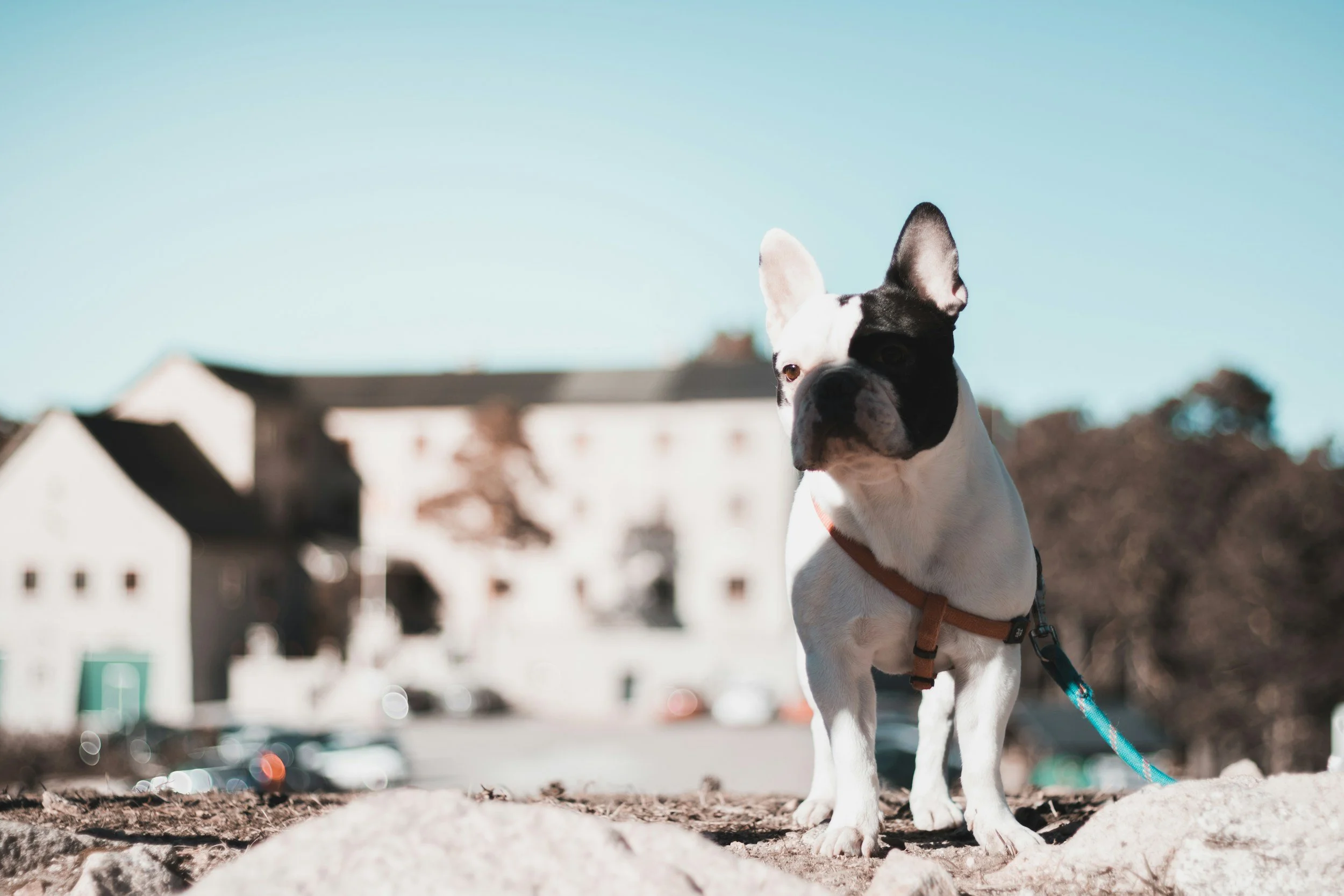
Moving to Spain with your dog is one of the best decisions you will ever make - for both of you. The lifestyle, the climate and the sheer beauty of this country suit dogs wonderfully. But Spain presents some specific health and grooming challenges that many expat dog owners are simply not prepared for when they arrive. Having spent years working with dogs professionally, and considerable time travelling through Andalusia with my own two Spaniels, Lily and Grace, here is what I wish every expat dog owner knew before their first Spanish summer.
The Heat Changes Everything
The Spanish climate, particularly in Andalusia is dramatically different from what most British and Irish dogs are used to. Summer temperatures regularly exceed 35 degrees and the combination of heat, UV exposure and dry terrain takes a real toll on coats, skin and overall health in ways that simply do not apply in a northern European climate.
The first and most important rule is to adjust your entire routine around the heat. Walk early in the morning and late in the evening - the middle of the day is not safe for exercise in a Spanish summer. If the tarmac is too hot for the back of your hand it is too hot for your dog's paws. Paw pads can blister and burn on hot surfaces far more quickly than most owners realise, and the damage is both painful and slow to heal. A good quality natural paw balm applied regularly helps maintain pad condition and provides a degree of protection - look for one with natural, dog safe ingredients and apply it as part of your regular grooming routine.
Hydration Affects More Than You Think
Most owners know their dog needs more water in the heat - but fewer realise that hydration has a direct impact on coat and skin condition. A well hydrated dog has a healthier, more resilient coat. A dehydrated dog will often show it first in a dull, dry or brittle coat before any other symptoms become obvious. In the Spanish heat, fresh water should always be available - indoors, outdoors and on every walk. Adding a little water to food can help dogs who are reluctant drinkers, and keeping water bowls in the shade ensures your dog is more likely to drink from them.
Brush More, Not Less
It might seem counterintuitive but regular brushing becomes even more important in hot weather. Heat and humidity accelerate shedding, and loose undercoat trapped against the skin leads to poor air circulation, matting and in some cases hotspots and skin irritation. A thorough brush out several times a week - more for long or dense coated breeds - keeps the coat free flowing, allows the skin to breathe and makes a genuine difference to your dog's comfort in the heat.
And please - resist the temptation to shave your double coated dog. It is one of the most common and well intentioned mistakes owners make when the temperatures rise. A double coat is designed by nature to regulate body temperature in both heat and cold, acting as insulation against the sun as well as the elements. Shaving it away strips that natural protection, exposes the skin directly to UV radiation and can cause permanent coat damage. For double coated breeds, regular brushing and a professional de-shedding treatment is always the right approach.
The Spanish Terrain is Hard on Coats
Andalusia's dry, dusty landscape, beautiful as it is, is tough on dog coats. Dust, dry grass seeds and the rough scrubby terrain that Lily and Grace loved to explore can work their way deep into the coat, causing irritation, matting and in some cases serious injury. Grass seeds in particular are a genuine hazard - they are barbed, they travel through the coat in one direction only, and they can penetrate the skin and migrate into the body if not found and removed promptly. Check your dog's coat thoroughly after every walk in dry scrubland, paying particular attention to between the toes, around the ears and in the armpits - the areas where seeds are most likely to become lodged.
Swimming - Sea and Pool
Many dogs in Spain have access to the sea or a swimming pool, and whilst swimming is wonderful exercise and a great way to cool down, both salt water and chlorine have a drying effect on the coat and skin with repeated exposure. Always rinse your dog thoroughly with fresh water after a swim - this is one of the simplest and most effective things you can do to maintain coat condition. Follow up with a natural conditioning treatment periodically to replenish moisture and keep a close eye on the ears after swimming as trapped water is one of the most common causes of ear infections in dogs.
Consider a Nourishing Treatment
The combination of heat, UV exposure, dust and swimming can leave coats dry, dull and depleted. A natural mud pack treatment is one of the most beneficial things you can do for a heat stressed coat. Rich in minerals and deeply nourishing, a mud treatment replenishes moisture, soothes sun stressed skin and leaves the coat in noticeably better condition. It is one of my favourite treatments to offer during a grooming appointment and the results are genuinely impressive, particularly for dogs whose coats have taken a battering over a long Spanish summer.
The Parasite Threat in Spain - What You Need to Be Aware Of
The parasite landscape in Spain is significantly more serious than anything most British or Irish dog owners will have encountered at home, and awareness is the first and most important line of defence. Ticks are present throughout Spain and are active for much of the year due to the mild climate. Unlike in the UK where tick season is broadly spring to autumn, in Andalusia ticks can be a year-round concern. Check your dog thoroughly after every walk in long grass or scrubland, paying particular attention to around the ears, between the toes, in the armpits and around the collar area. Remove any ticks promptly using a proper tick removal tool - never with fingers, petroleum jelly or heat - and monitor the area carefully afterwards.
Sandflies are a genuine concern across much of Spain including Andalusia and are most active at dusk and dawn. Avoiding walks during these peak hours, particularly in rural and wooded areas, will reduce your dog's exposure, and keeping your dog indoors at these times adds another layer of sensible precaution. However, I want to be honest here in a way that I think matters. Leishmaniasis - the parasitic disease transmitted by sandflies - is present across most of Spain, and Andalusia sits in the highest risk category. It is virtually unknown in the UK and Ireland, which means most British and Irish owners arrive in Spain with no awareness of it whatsoever. The disease attacks the immune system and internal organs and can be fatal if left undetected, and because symptoms can take months or even years to appear, many dogs are significantly ill before the disease is even diagnosed.
I have done a great deal of research on this since moving to Andalusia and my view is that every owner needs to go into Spain with their eyes open, seek advice from a vet they trust - ideally one with a holistic or integrative approach - and make an informed decision about prevention that they are genuinely comfortable with. Mosquitoes are also significantly more prevalent in Spain than in cooler northern climates and carry their own risks worth understanding.
The natural approach to broader parasite awareness still has real value - regular coat and skin checks, sensible routine adjustments and reducing unnecessary exposure all matter. But leishmaniasis specifically deserves more than a lifestyle adjustment. Do your research, find a vet you respect and make the decision that is right for your dog.
Choose Your Products Carefully
The Spanish heat makes product choice even more important than it would be in a cooler climate. Harsh shampoos that strip natural oils leave the coat dry, brittle and more vulnerable to sun damage and environmental stress. Always choose natural, pH balanced, chemical free products that cleanse gently whilst preserving the coat's natural moisture balance. Avoid anything with synthetic fragrances - a dog's sense of smell is estimated to be up to 100,000 times more sensitive than ours, and heavily scented products can be genuinely distressing as well as potentially irritating to sensitive skin.
A Final Word
Spain is a wonderful country to share with your dog - the lifestyle, the landscape and the warmth of the people make it a genuinely special place to be. But it does require a different approach to dog care, and the sooner you adapt your routine to the Spanish environment the better for your dog's health and wellbeing.
If you have recently arrived in Spain with your dog, I hope this has been useful. If you're looking for a mobile pet sitter or holistic groomer for your own travels, get in touch via the contact page or email me directly at hello@skyeandpaws.com - I'd love to hear from you.