Understanding Coat Types: Why One Grooming Routine Doesn't Exist
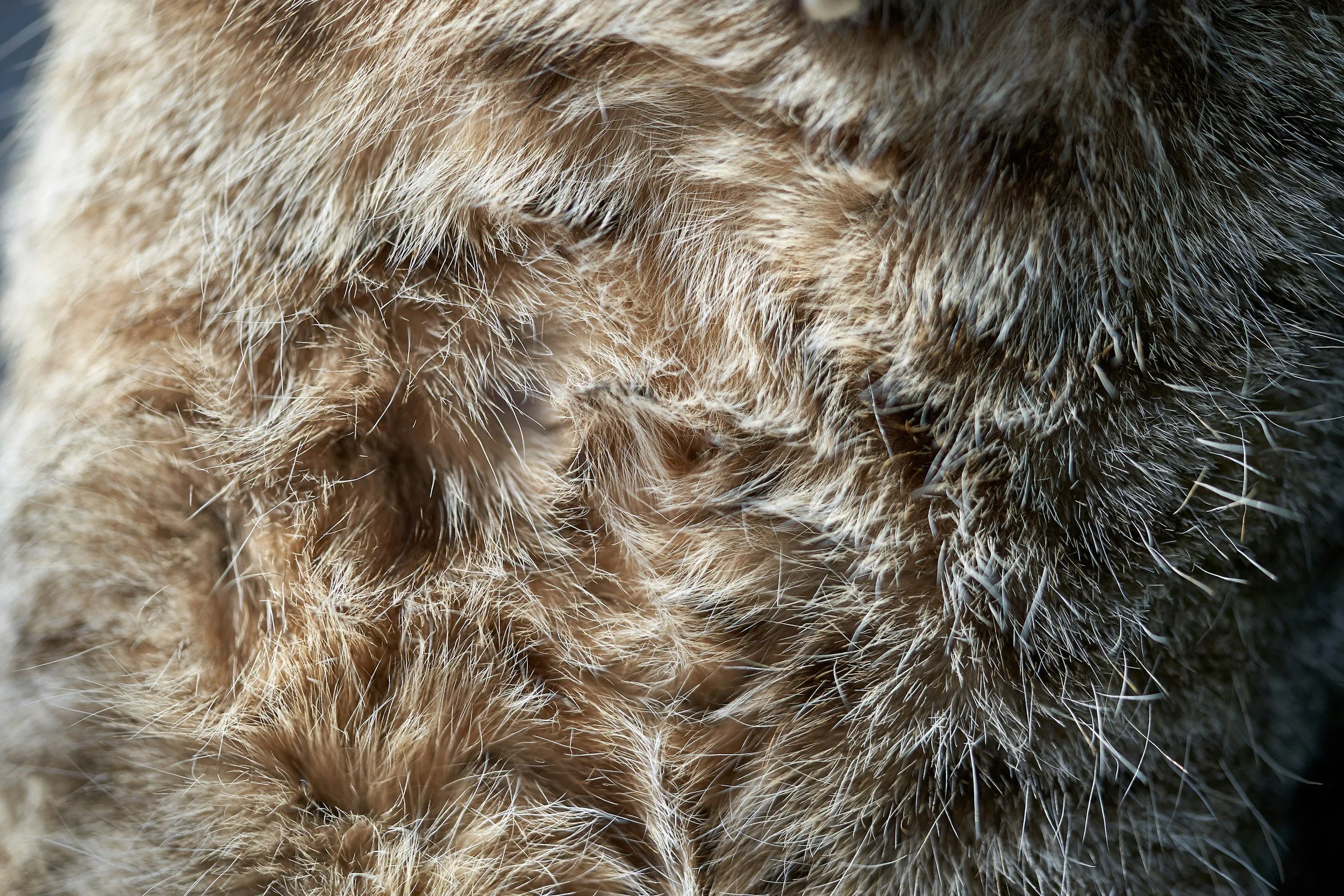
One of the most common questions I get asked as a groomer is some version of "how often should I be grooming my dog?" And the honest answer is always the same: it depends entirely on what kind of coat your dog actually has. A Labrador, a Poodle, a Border Terrier and a Dachshund all need fundamentally different grooming approaches, not because one owner is more diligent than another, but because their coats are built completely differently. Understanding your dog's specific coat type is the single most useful piece of grooming knowledge you can have, because it's the foundation everything else builds on.
Double Coats
What it is: A double coat consists of two distinct layers, a soft, dense undercoat close to the skin, and a longer, coarser layer of guard hairs on top. This is the coat type found on breeds like Labradors, Golden Retrievers, German Shepherds, Huskies, and Collies. The undercoat provides insulation, trapping warm air in winter and, counterintuitively, helping regulate temperature in summer too. The guard hairs protect against UV, moisture and general wear.
Shedding pattern: Double-coated breeds typically "blow" their undercoat seasonally, usually spring and autumn, shedding significant volume over a concentrated period rather than losing hair steadily year-round. This is entirely normal and not a sign of a problem.
Grooming needs: Regular brushing with an undercoat rake or de-shedding tool is essential, particularly during seasonal blows. A coat packed with dead, loose undercoat can't do its job properly, insulating badly and trapping heat rather than regulating it. For most double-coated breeds, brushing two to three times a week is a reasonable baseline, increasing to daily during a heavy seasonal shed.
The one thing to never do: Never shave a double coat unless there's a specific medical reason directed by a vet. I've covered why in detail in my post on common grooming mistakes, but in short, it strips the dog of their natural temperature regulation and can result in the coat growing back patchy or damaged.
Combination Coats
What it is: Some double-coated breeds don't have a uniform coat all over, breeds like Golden Retrievers, Border Collies, Bernese Mountain Dogs and Setters have a dense double coat across the body, combined with longer, silkier feathering on the ears, chest, tail and back of the legs. It's technically still a double coat, but the feathered areas behave quite differently from the rest of it.
Grooming needs: The body coat follows standard double-coat care, regular brushing with an undercoat rake, particularly through seasonal shedding. The feathering, however, behaves much more like a silky coat, fine, prone to matting in high-friction areas, and needing gentler tools. Behind the ears and in the "armpit" area where the leg meets the body are the two spots that catch owners out most often on these breeds, feathering there rubs against skin and fabric constantly and mats quickly if not checked regularly, even when the rest of the coat looks perfectly well maintained.
A common mistake: Assuming that because the main body coat is being brushed regularly, the whole dog is covered. A thorough double-coat brushing routine can still miss matting quietly forming in the feathering, since it needs a different tool and a slightly different technique to the undercoat rake used on the body.
Single Coats
What it is: A single coat has no dense undercoat, just one layer of hair growing from the skin. This is common in breeds like Greyhounds, Boxers, and many terriers with smooth coats.
Shedding pattern: Generally sheds lightly and continuously throughout the year, rather than in seasonal bursts.
Grooming needs: Considerably lower maintenance than a double coat. A weekly brush with a rubber curry comb or grooming mitt is usually sufficient to remove loose hair and distribute natural oils through the coat. Because single-coated breeds often have short, fine fur, a slicker brush can be too harsh and cause irritation, a softer tool is usually more appropriate.
Curly and Non-Shedding Coats
What it is: Curly coats, found on breeds like Poodles, Bichon Frises and many "doodle" crosses, grow continuously rather than cycling through a growth-and-shed pattern the way most other coat types do. This is why these breeds are often described as low-shedding or hypoallergenic, though it's worth being clear that no dog is truly non-allergenic, allergens come from dander, saliva and urine as well as loose hair.
Grooming needs: This is genuinely the highest maintenance coat type, and I say that as someone who trained extensively on it. Because the coat doesn't shed naturally, loose hair becomes trapped within the curl rather than falling away, which means it mats extremely easily if not brushed thoroughly and regularly, often every day or every other day depending on coat density. This isn't optional maintenance, it's a genuine welfare issue if neglected, since matting close to the skin can cause real pain and, in severe cases, restrict movement or trap moisture against the skin. Professional grooming every four to six weeks is standard for curly-coated breeds, with dedicated home brushing in between, right down to the skin, not just over the surface.
A common mistake: Brushing only the surface of a curly coat can leave it looking tidy while mats are quietly forming underneath, close to the skin, invisible until they're well established. I've covered how to spot and address this properly in my post on matting.
Wire and Broken Coats
What it is: Wire-haired breeds, including many terriers like Border Terriers, Wire Fox Terriers and Schnauzers, have a harsh, coarse outer coat over a softer undercoat. This coat type was originally bred for function, protecting working terriers from brush, brambles and rough terrain.
Grooming needs: Wire coats behave differently from most other coat types, they don't shed in the way most coats do, and clipping a wire coat with standard clippers actually softens the texture and changes the colour over time, which is why traditionally these breeds were hand-stripped rather than clipped. Hand-stripping, removing the dead outer coat by hand or with a stripping tool, maintains the harsh, weatherproof texture the breed is meant to have and is generally the correct approach for show-standard wire coats. For pets not being shown, clipping is a common and perfectly reasonable lower-maintenance alternative, with the understanding that the coat texture and colour will soften over time as a result.
Corded Coats
What it is: A naturally occurring coat type, seen in breeds like the Puli, Komondor, and occasionally deliberately created in Poodles, where the coat forms into distinct, rope-like cords rather than growing loose or being brushed out. This isn't matting in the problematic sense, it's a specific, intentional coat structure that some breeds are genetically predisposed to form.
How it develops: Cording typically begins to form naturally from around nine to twelve months of age, as the undercoat and outer coat tangle together in a controlled way. Owners actively encourage and separate the forming cords by hand during this stage, splitting them at the base regularly so they don't fuse into one solid mass against the skin, rather than brushing the coat out the way you would with any other type.
Grooming needs: Once fully corded, the coat requires surprisingly little brushing, brushing would actually destroy the cords rather than maintain them. Instead, maintenance is about keeping the cords clean and thoroughly dry. Bathing a corded coat is a genuinely significant undertaking, the cords absorb a large amount of water and can take a very long time to dry fully; a coat left damp at the roots is at real risk of mildew, odour and skin problems underneath, since air simply can't reach the skin the way it can with a brushed coat. Thorough towel drying followed by a lengthy period of air drying, sometimes over a full day for a mature coat, is essential after every bath.
Worth knowing: This is a genuinely specialist coat type, and if you're considering a corded breed, working with a groomer experienced specifically in cording from puppyhood is invaluable, getting the early separation stage wrong can result in the cords fusing incorrectly, which is very difficult to correct later without cutting the coat out entirely and starting again.
Silky Coats
What it is: Long, fine, single-layer coats without a dense undercoat, seen in breeds like Yorkshire Terriers, Afghan Hounds, and Cocker Spaniel feathering. These coats are often kept long for aesthetic reasons but can also be clipped shorter for practicality. Working-bred spaniels, like my own Sprocker and Cocker, typically have a flatter, shorter coat with far less feathering than a show-type spaniel, bred for practicality in the field rather than appearance, which makes them noticeably lower maintenance than their show-coated cousins despite sharing the same general coat type.
Grooming needs: Because there's no undercoat to provide bulk or texture, silky coats mat easily, particularly in high-friction areas like behind the ears, under the collar, and in the armpits. Daily brushing is generally necessary if the coat is being kept long, using a pin brush or comb rather than a slicker, which can break the fine hair. Regular conditioning helps reduce friction between hair strands, which is a major contributor to matting in this coat type. Working-type coats like mine need less frequent brushing than a long show coat, but the high-friction areas are still worth checking regularly.
Hairless and Very Short Coats
What it is: A smaller category, but worth mentioning, breeds like the Chinese Crested have little to no coat at all, while breeds like Boxers or Whippets have extremely short, close-lying single coats.
Grooming needs: Counterintuitively, hairless breeds often need more skin care than coated breeds, since there's no fur to protect the skin from sun, cold or friction. Rather than reaching for a product, the simplest and most effective approach is avoidance, keeping hairless or very short-coated dogs out of direct, strong sun during peak hours, providing shade on walks, and using lightweight natural fabrics as a physical barrier if extended time in the sun is unavoidable. Regular moisturising with a natural, dog-safe balm helps protect skin from cold and friction too. Very short-coated breeds need minimal brushing but benefit from a rubber curry comb or grooming glove to lift loose hair and add a bit of shine.
What About Mixed Breeds and Crosses?
Most dogs coming through my grooming table these days aren't a single, easily identifiable coat type, they're a genuine mix, and the coat can lean more toward one parent breed or the other, or sit somewhere in between. A Cockapoo, for example, can have anything from a loose, wavy coat closer to a Cocker Spaniel's, to a tight curl much closer to a Poodle's, and the grooming needs differ significantly depending on which way the genetic dice landed. If you're unsure what category your dog's coat actually falls into, a professional groomer can assess it properly in a few minutes, and it's genuinely worth doing, since guessing wrong can mean months of unnecessary matting before anyone notices the routine isn't working.
Coat and Skin Conditions Affecting Coat Type
Not every unusual coat falls into a "type" in the way described above, sometimes what you're looking at is a coat affected by an underlying health condition rather than genetics or breed standard. It's worth knowing the difference, both so you don't mistake a health issue for a grooming failure, and so you know when it's time to involve a vet rather than just a groomer.
Alopecia: Patchy or complete hair loss can stem from a number of causes, hormonal imbalances, allergies, parasites, autoimmune conditions, or breed-specific predispositions such as Colour Dilution Alopecia, seen in some dogs with diluted coat colours like blue or fawn. If you notice sudden or unexplained hair loss, particularly if the skin underneath looks inflamed, sore or different in texture, this needs veterinary investigation rather than a grooming adjustment, since treating the cause matters far more than managing the coat around it.
Post-clipping alopecia: Covered in more detail in my post on grooming mistakes, but worth a mention here too, some double-coated dogs, particularly Huskies, Malamutes and other northern breeds, can experience a failure of the coat to regrow properly after being shaved. The mechanism isn't fully understood, but it's a genuine risk specific to certain breeds and is a strong reason to avoid shaving a double coat unless medically necessary.
Coat texture changes from illness or medication: A previously healthy, glossy coat turning dull, brittle or excessively shedding can be an early sign of an underlying health issue, thyroid conditions, nutritional deficiency, or a reaction to medication among them. It's also worth knowing that steroids in particular, whether short or long-term, can cause noticeable coat and skin changes as a side effect. If your dog's coat changes significantly without an obvious cause like season or diet, it's worth mentioning to your vet rather than assuming it's purely cosmetic.
Working with what you've got: For dogs with a chronic skin or coat condition, whether from allergies, an autoimmune issue, or simply age, the grooming approach often needs to flex around the condition rather than follow standard coat-type rules. This might mean gentler products, less frequent bathing, more careful attention to specific areas, or working closely with both a vet and a groomer who communicate with each other rather than treating the coat and the underlying health issue as separate problems.
Coat changes after spaying or neutering: It's genuinely common, and often surprising to owners, for a dog's coat to change texture after being spayed or neutered, sometimes becoming softer, fluffier, or more prone to matting than it was before, particularly in breeds with a naturally harsher or coarser coat. This is thought to be linked to the hormonal shift that comes with desexing, since coat texture in many breeds is partly hormone-influenced. It's not a health concern in itself, but it can mean an established grooming routine that worked perfectly well before suddenly isn't keeping up, and the coat may need a different tool, more frequent brushing, or a shorter maintenance clip to manage the new texture comfortably. If your dog's coat has noticeably changed since being spayed or neutered, this is very likely why, and it's worth adjusting the routine to match rather than assuming something's gone wrong.
Getting It Right
None of this needs to be complicated once you know what you're working with. The right tool, used at the right frequency, for the right coat type, makes an enormous difference; both to how manageable your dog's coat is, and to how comfortable they are day to day. If you're ever unsure, a good groomer would always rather answer a quick question about brush type than see a dog come in matted six weeks later. That conversation costs nothing. The matting does.