Understanding Your Dog's Hormones: The Body's Hidden Messaging System
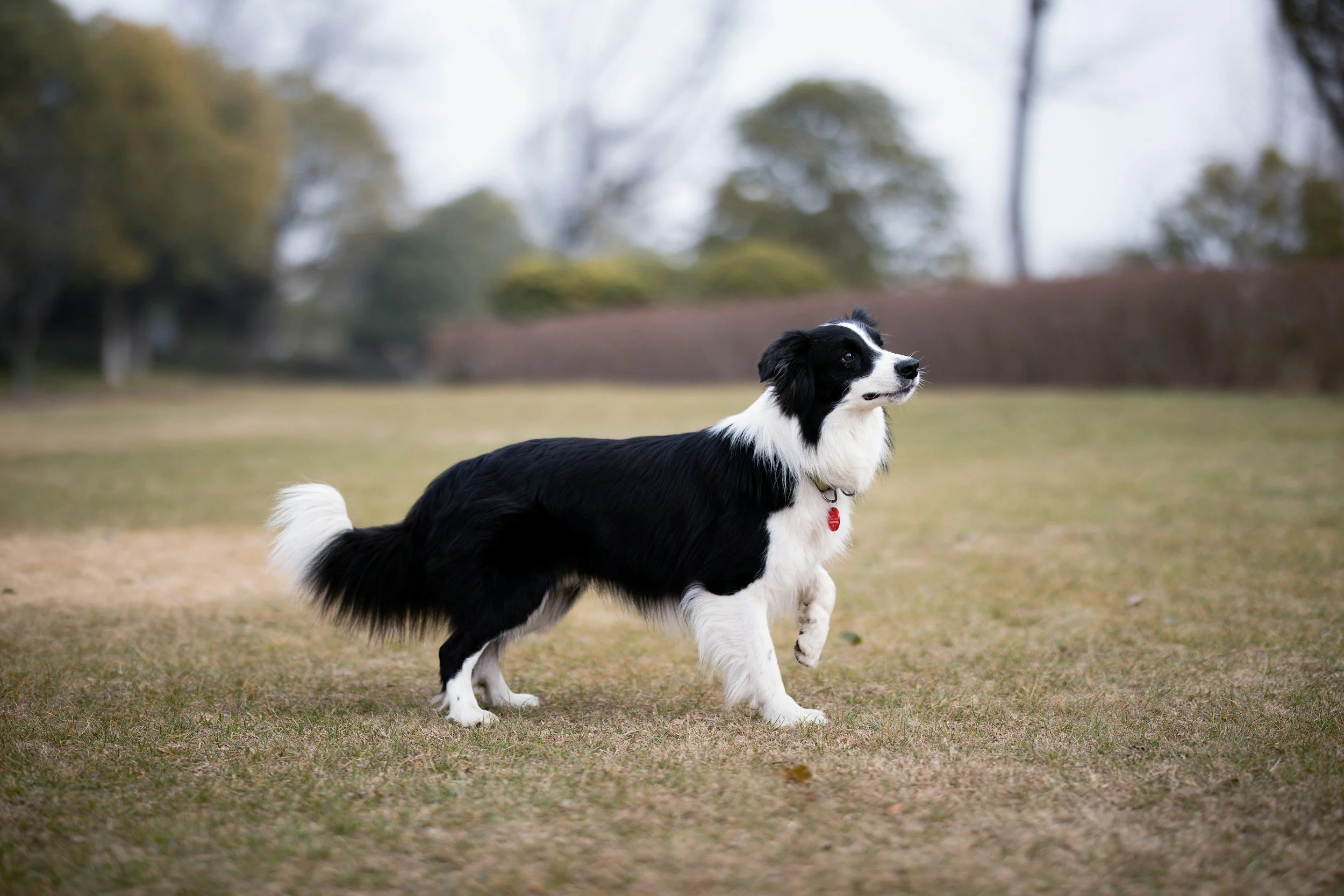
‘‘Hormones shape far more than reproduction. Coat, energy and weight all reflect their balance’’
We tend to think about our dogs' health in terms of what we can see, coat condition, weight, energy, mobility. But underpinning all of it is something invisible and constantly at work: the endocrine system, the network of glands and hormones that quietly regulates almost every process in your dog's body. Understanding even the basics of how this system works changes how you think about a great many decisions in your dog's life, from diet to behaviour to the increasingly debated question of spaying and neutering.
What Hormones Actually Are
Hormones are chemical messengers. Produced by glands throughout the body, they travel through the bloodstream carrying instructions to organs and tissues, telling them what to do and when. Think of the endocrine system as the body's internal messaging service, constantly sending signals that coordinate growth, metabolism, stress responses, reproduction, sleep, mood and far more. It works quietly in the background, and precisely because it's invisible, it's easy to overlook just how central it is to everything. The key point to hold onto is that these systems are deeply interconnected. No hormone works in isolation, they exist in a constant, delicate balance, and disrupting one part of the system has knock-on effects elsewhere. This matters enormously when we come to consider what happens when we deliberately remove a major source of hormones from the body.
The Control Centre: The Hypothalamus and Pituitary Gland
The hypothalamus, a small area at the base of the brain, monitors the body and sends signals to the pituitary gland just below it. The pituitary then releases hormones that tell other glands what to do, including the thyroid and the adrenal glands. For the reproductive system, the hypothalamus’s signal is gonadotropin-releasing hormone (GnRH), which tells the pituitary to release luteinising hormone (LH) and follicle-stimulating hormone (FSH). Those in turn tell the ovaries or testicles to produce sex hormones. The system runs on feedback. When levels rise high enough, the brain eases off its signals, and when they fall, it sends more. This is why a problem in one part of the system can show up somewhere else, and it’s the loop that comes up again when we look at luteinising hormone below.
The Key Hormones and What They Do
Sex hormones, oestrogen, progesterone and testosterone: Produced primarily by the ovaries in females and the testes in males, these are the hormones most people associate purely with reproduction. But their role extends across the entire body, something we'll come back to, and which sits at the heart of the spay and neuter conversation.
Cortisol, the stress hormone: Produced by the adrenal glands, cortisol governs the body's stress response. In healthy amounts it's essential, but chronic stress and persistently elevated cortisol take a genuine toll on immune function, digestion and overall health, one of the reasons a calm, low-stress life matters so much for a dog's wellbeing.
Thyroid hormones: Produced by the thyroid gland, these regulate metabolism, the rate at which the body uses energy. Thyroid disorders, particularly hypothyroidism, are relatively common in dogs and can affect weight, coat, energy and mood.
Insulin: Produced by the pancreas, insulin regulates blood sugar. Its role connects directly to diet, and to conditions like diabetes, worth understanding alongside the nutrition content elsewhere on this blog.
Melatonin: Governs sleep and the body's daily rhythms, influenced by light and darkness, and part of why consistent routine and proper rest genuinely matter for a dog.
Why Sex Hormones Matter Far Beyond Reproduction
This is the part most owners have never had explained, and it's genuinely important. Oestrogen and testosterone are not simply "reproductive" hormones that become irrelevant once you've decided not to breed from a dog. They play a continuous, active role throughout the body, across the whole of a dog's life:
Bone and growth: Sex hormones play a crucial role in signalling growth plates to close at the right time. This is why the timing of desexing matters so much, remove these hormones too early and growth plates can stay open longer than they should, affecting the dog's final proportions and joint health.
Joints and ligaments: They contribute to the integrity and strength of joints and connective tissue.
Cardiovascular health: They play a role in heart and blood vessel health.
Metabolism and weight: They influence how the body regulates weight, part of why desexed dogs are more prone to weight gain.
Cognitive and behavioural stability: They influence mood, confidence and emotional regulation, meaning their removal can affect behaviour in ways that aren't always the calming effect owners expect.
The differences between males and females: Male and female dogs use many of the same hormones, but the main sex hormones do different jobs. In males, testosterone, made mainly in the testicles, supports muscle and bone development, helps shape the body as a puppy matures, and plays a part in behaviour. In females, oestrogen and progesterone, made mainly in the ovaries, control the heat cycle and mammary development, and oestrogen also helps maintain the tone of the muscle that controls the bladder.
For a more in-depth conversation about this topic check out ‘What Neutering Did to My Dog (And How I Fixed It)’ on the Not Just About Dogs podcast with Dr. Peter Dobias on YouTube. He speaks about hormones, spaying, neutering, and hormone replacement therapy for dogs in detail.
What Happens When the Source Is Removed
Because sex hormones do all of this quiet, continuous work, removing the organs that produce them, the ovaries or testes, doesn't simply switch off reproduction. It switches off a major input into all of these other systems too. The body notices, and the effects ripple outward across many of the systems described above.
The Luteinising Hormone Problem
This is worth understanding on its own, because it's the mechanism that ties much of this together, and it's rarely explained to owners. Luteinising hormone (LH) is produced by the pituitary gland, triggered by GnRH from the hypothalamus, and in an intact dog it plays a normal, healthy role in the reproductive cycle. Crucially, its production is controlled by a feedback loop: the pituitary releases LH, the gonads (ovaries or testes) respond, and the hormones they produce in turn signal back to the brain to regulate how much more LH is released. It's a balanced, self-correcting system, the gonads and the brain are in constant conversation, keeping everything in check.
So what happens when the gonads are removed? That feedback loop is broken. The brain keeps calling for a response from ovaries or testes that are no longer there, and because it never receives the return signal telling it to ease off, the pituitary gland keeps producing LH, continuously. Dr Michelle Kutzler, a veterinary reproduction specialist at Oregon State University, notes that LH concentrations in gonadectomised dogs can be more than thirty times those of normal adult dogs. The usual target of that LH is gone, and LH receptors have been found in many other tissues, including the thyroid and adrenal glands, ligaments, the gastrointestinal and lower urinary tract, and parts of the brain. The hypothesis is that these tissues, chronically exposed to persistently elevated LH year after year, may contribute to inflammation and to some of the health conditions increasingly associated with traditional desexing. In other words, it may not simply be the absence of oestrogen and testosterone that causes problems, but the presence of abnormally high, unregulated LH. Dr Kutzler herself notes that there is no direct proof of a causal link yet, so more research is needed.
This is also part of why the hormone-sparing alternatives I'll cover in my spay and neuter post are so significant, procedures like ovary-sparing spay and vasectomy prevent reproduction while leaving the gonads, and therefore the normal LH feedback loop, intact. This one is simply about understanding the underlying biology, so that decision, and many others, can be made with genuine understanding rather than on autopilot.
Support for Dogs Who Are Already Desexed
If your dog has already been spayed or neutered, this is not a counsel of despair, and it's genuinely important to say so. A great deal can be done to support a desexed dog's ongoing health: excellent nutrition, maintaining a healthy weight, good exercise, joint support where needed, and the broader holistic care covered throughout this blog all matter. There is also growing interest, and this is an area developing quickly, in hormone replacement therapy or hormone support for desexed dogs, aiming to replace some of what was lost when the gonads were removed. As with anything in this space, it's a conversation for a knowledgeable, integrative vet rather than a decision to make alone, but it's a hopeful and genuinely useful development worth knowing exists.
Why This Matters
Understanding your dog's hormones isn't just academic. It reframes how you think about behaviour (is this "naughtiness" or a hormonal or stress response?), about weight, about ageing, and about some of the biggest decisions you'll make on your dog's behalf. The endocrine system is invisible, but it's running quietly behind almost everything, and a little understanding of it goes a long way toward caring for the whole dog, not just the parts you can see.