Grooming Mistakes That Could Be Harming Your Dog
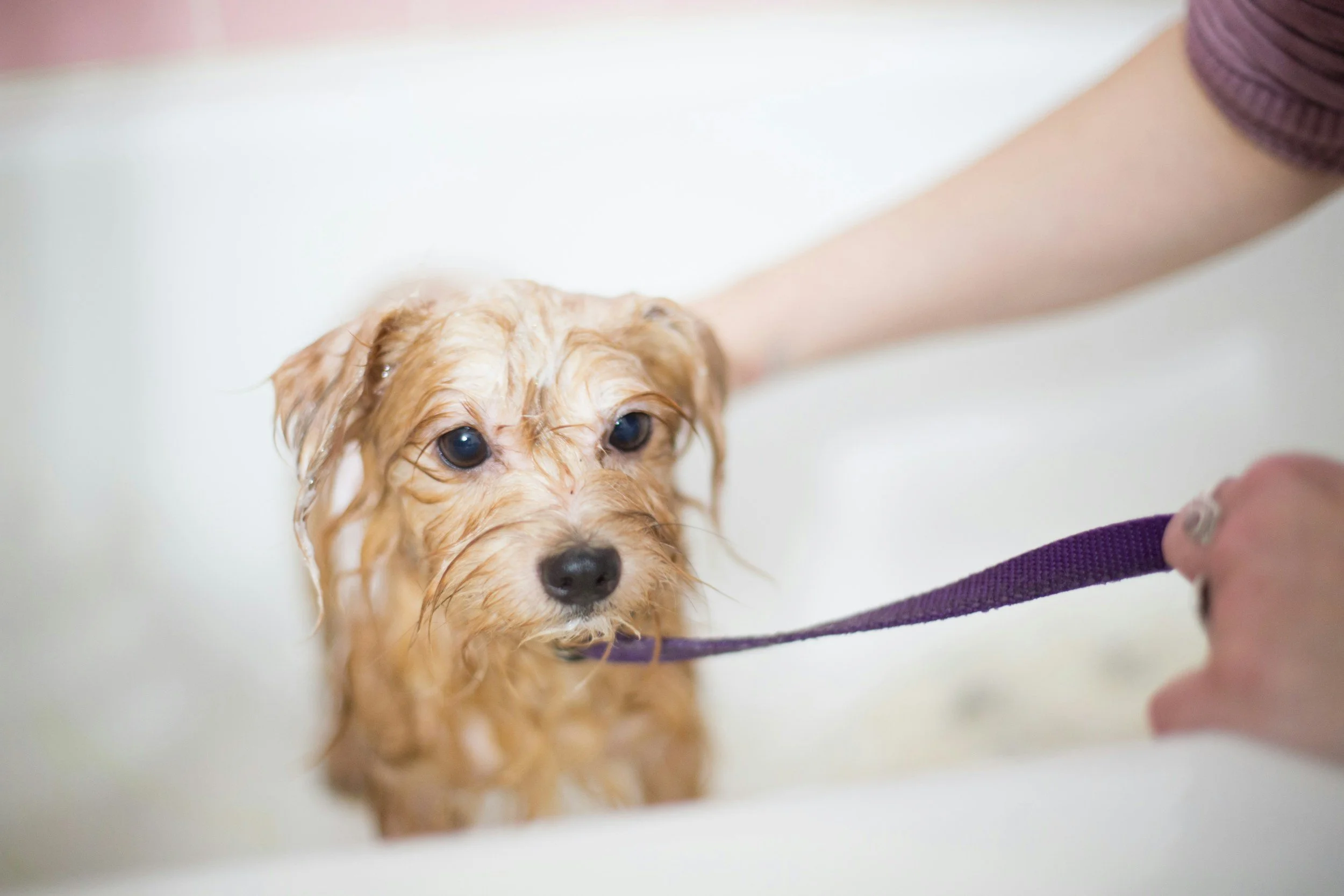
Before I ever picked up a brush or bought a bottle of shampoo, I did my research. I wanted to make sure I was grooming my dogs properly from the start - using the right products, the right tools, and the right techniques. What surprised me was just how much conflicting advice is out there, and how many common practices that seem perfectly reasonable are actually doing dogs real harm.
This blog is the result of that research - a roundup of the most widespread grooming mistakes I kept coming across, along with the products and approaches I trust. Whether you're a first-time dog owner or have had dogs your whole life, chances are at least one of these will make you think twice. The good news is that every single one of them is easy to fix once you know about it.
1. Bathing Too Often (or Not Enough)
It might seem like more baths equal a cleaner, healthier dog - but getting the frequency wrong in either direction causes problems. Bathe too often and you strip the natural oils that keep your dog's skin and coat healthy, leading to dryness, itchiness, dandruff, and even secondary skin infections. But leave it too long between baths and dirt, bacteria, and odour build up on the skin, which can cause its own set of irritations. The right bathing schedule isn't the same for every dog. Breed, coat type, lifestyle, and any skin conditions all play a role. A short-coated dog that rarely goes outdoors has very different needs to a muddy Spaniel with a long dense coat.
The fix: For most dogs, a bath every four to six weeks is a reasonable baseline - but always factor in your dog's individual needs. In between baths, a gentle brush-down and a dog-safe grooming wipe can help keep them fresh without disrupting their skin's natural balance. I like Bugalugs Fragrance Free Pet Wipes - natural ingredients, plastic-free, and gentle enough for daily use.
2. Skipping the Pre-Bath Brush
Many owners jump straight into the bath without brushing first - and this is a big mistake, especially for long-haired breeds. Brushing out knots and light mats before getting the coat wet is essential. Once matted hair gets wet, it tightens and becomes almost impossible to detangle, causing real pain for your dog.
The fix: Always give your dog a thorough brush-out before bath time to remove loose hair, dirt, and any tangles.
3. Getting Water in the Ears
A dog's ear canal is shaped differently to a human's - it runs vertically before bending horizontally, which means water can get trapped deep inside far more easily. Moisture trapped in the ear canal creates the perfect warm, dark breeding ground for bacteria, which can quickly lead to a painful ear infection.
The fix: Place cotton balls gently at the entrance to your dog's ears before bathing. Or, if you're concerned about keeping their ears dry, use a damp cloth to clean their head and face rather than pouring water over it directly.
4. Not Rinsing Thoroughly
Rushing the rinse is a surprisingly common mistake. Shampoo residue left on the skin can cause irritation, flakiness, hair loss, and even infections over time. Pay particular attention to the belly, armpits, and groin - areas that are easy to miss.
The fix: Rinse until you see absolutely no bubbles coming from the coat - then rinse once more for good measure. Use your hands to feel for any soapy patches you might have missed. The coat should feel squeaky clean when you're done.
5. Cutting Nails Too Short (or Not at All)
Nail care is one of the most neglected parts of dog grooming. Overgrown nails can curl into the paw pads, causing serious pain and difficulty walking. They can also affect your dog's posture and joint health over time. On the flip side, cutting the nails too short and hitting the "quick" - the blood vessel running through the nail - causes immediate pain and bleeding, and can make your dog anxious about nail trims for years to come.
The fix: Trim little and often, taking just small amounts off at a time. A good rule of thumb: if you can hear your dog's nails clicking on hard floors, it's time for a trim. If you're unsure, ask your vet or groomer to show you the proper technique.
6. Shaving a Double-Coated Breed
It's a common summer instinct - shave your Husky, Golden Retriever, or Labrador to help them cool down. But for double-coated breeds, this instinct is actually harmful - shaving can do the opposite of what you intend. Their two-layered coat works as natural insulation, keeping them cool in summer and warm in winter. Shaving removes this protection, increasing the risk of sunburn, heatstroke, and skin damage. It can also result in patchy, uneven regrowth that never fully recovers.
The fix: For double-coated breeds, focus on regular brushing to remove loose undercoat rather than shaving. A professional de-shed treatment at the groomer can work wonders in warm weather.
7. Using Human Shampoo or Household Soaps
Grabbing the nearest bottle of shampoo or washing-up liquid might seem harmless in a pinch, but it can cause real problems for your dog. Human skin has a much more acidic pH (around 5.5) compared to a dog's skin (closer to 7.0). Products formulated for humans - including baby shampoo, shower gel, and household soaps - disrupt your dog's natural skin barrier, stripping protective oils and leaving them vulnerable to dryness, irritation, bacteria, and parasites. Some soaps and detergents contain fragrances, preservatives, and chemicals like SLS (sodium lauryl sulphate) that are far too harsh for a dog's sensitive skin. Even a one-off use can trigger itching, flaking, and redness - and repeated use can cause chronic skin problems that are difficult to clear up.
The fix: Always use a shampoo specifically formulated for dogs. Look for one that is pH-balanced for pets, soap-free, and free from parabens, SLS, and synthetic fragrances. I like WildWash - a range formulated with natural, plant-based ingredients that are genuinely kind to dogs' skin. If your dog has a skin condition, ask your vet for a shampoo recommendation.
8. Choosing Strongly Scented Shampoos, Sprays and Grooming Products
We might love the idea of our dogs smelling like coconut, lavender, or fresh cotton - but heavily fragranced grooming products can be genuinely harmful to them. A dog's sense of smell is estimated to be up to 100,000 times more sensitive than ours, which means a scent that smells pleasant and subtle to us can be completely overwhelming - and even distressing for them. Beyond the sensory overload, artificial fragrances in shampoos, sprays, colognes, and grooming products often contain chemical compounds that can irritate a dog's skin, trigger allergic reactions, and cause itching, redness, and inflammation. Dogs also groom themselves by licking, meaning any product left on their coat can be ingested - and synthetic fragrance ingredients are not meant to be swallowed.
The fix: Choose grooming products that are fragrance-free or scented only with natural, dog-safe botanicals. I use WildWash across my grooming routine - their products use carefully chosen natural scents derived from plant extracts rather than synthetic fragrance compounds, which makes a real difference for sensitive dogs. Always check the ingredients list, and if your dog starts scratching, licking, or showing any skin reaction after using a product, stop immediately and consult your vet.
9. Using the Wrong Grooming Tools
A brush that works brilliantly on a Poodle could be completely useless - or even painful on a Labrador. Different coat types need entirely different tools, and using the wrong one can cause real discomfort, allow matting to go undetected, or damage the coat over time. A slicker brush, for example, is ideal for doodles and longer-coated breeds to work through tangles - but would be unsuitable on a short-coated Boxer or Greyhound, where a rubber curry comb is far more effective and much more comfortable. Double-coated breeds like Huskies and Golden Retrievers benefit most from an undercoat rake or de-shedding tool, which reaches the dense inner layer that a standard brush simply can't penetrate.
The fix: Research your dog's specific coat type before investing in tools, or ask your vet or groomer for a tailored recommendation. The right brush makes the whole experience quicker, more effective, and far more enjoyable for your dog.
10. Neglecting Dental Care
Here's one that surprises most dog owners: dental hygiene is part of grooming too. More than 80% of dogs over the age of three have some form of periodontal disease - a painful condition that can lead to tooth loss, difficulty eating, and even systemic infections if left untreated. Yet most owners never brush their dog's teeth at all.
The fix: Aim to brush your dog's teeth two to three times a week using a toothbrush and toothpaste made specifically for dogs - never use human toothpaste, as it can be toxic. I use Dorwest Roast Dinner Toothpaste, which my dogs actually look forward to. If your dog won't tolerate brushing, I also rate the LUCAA+ Probiotic Dental Care Spray from Ingenious Probiotics - a no-brush alternative that uses beneficial bacteria to reduce plaque, tackle bad breath, and support healthier gums, simply sprayed directly onto the teeth. Natural dental chews are another great supplement to a regular dental routine - I like Anco 100% natural dog chews for this. And don't skip regular professional dental checks.
11. Grooming an Anxious Dog Without Preparation
Diving straight into a grooming session without helping your dog feel comfortable first can create lasting anxiety - and a very difficult dog to groom in the future. Dogs that associate grooming with stress will resist, wriggle, and sometimes even become aggressive during sessions.
The fix: Start young if you can, gradually introducing your dog to being touched on their paws, ears, and face. Make grooming a positive experience with plenty of praise and high-value treats. If your dog is already anxious, go slowly, keep sessions short, and consider working with a trainer or behaviourist to build positive associations over time.
12. Using the Wrong Water Temperature
It's easy to assume your dog is fine with whatever temperature comes out of the tap - but water that's too hot or too cold can cause real problems. Hot water can scald a dog's sensitive skin, and because dogs can't tell you it's uncomfortable, they may simply endure it. Cold water, on the other hand, can be a shock to the system - especially for smaller breeds, older dogs, or those with health conditions - and can make bath time a stressful experience they'll dread next time.
The fix: Aim for lukewarm water - comfortably warm to the inside of your wrist, similar to what you'd use for a baby's bath. Test the temperature before you start and check it throughout, as water can cool quickly. Keep a close eye on your dog's body language; if they're tense, shaking, or trying to escape, something isn't right.
13. Scrubbing Too Hard
It can be tempting to really get stuck in when lathering up your dog, especially if they're particularly dirty. But scrubbing too hard - particularly with fingernails or a stiff brush - can irritate and scratch the skin, disrupt the coat, and cause soreness. For dogs with existing skin conditions, it can make things significantly worse.
The fix: Use the flat of your fingers in gentle circular motions to work shampoo into the coat. Think massage, not scrub. A soft rubber grooming mitt can help you clean effectively without applying too much pressure - and your dog will likely enjoy it far more too.
14. Using High Heat When Drying
After a bath, many owners reach for a hairdryer on a warm or hot setting to speed things up - but the heat that's safe for human hair can easily burn a dog's skin. Dogs have thinner, more sensitive skin than we do, and they can't tell you when the heat is becoming painful. Prolonged exposure to high heat can also dry out and damage the coat itself.
The fix: Start by pressing a highly absorbent towel firmly into the coat and lifting it away - rather than rubbing, which can cause tangles and discomfort. I use the Easidri Pet Grooming Towel, which removes a huge amount of water before a dryer is even needed. If you do use a dryer, keep it on the coolest setting, hold it at a safe distance, and keep it moving constantly. Then allow your dog to finish air drying in a warm, draught-free room.
15. Removing Matts Incorrectly
Matts are painful enough on their own - but attempting to remove them the wrong way can cause serious harm. The instinct to grab a mat and pull it apart is one of the most damaging things you can do. Mats that sit close to the skin often have compromised, fragile skin hidden underneath - sometimes concealing irritation, sores, or even infection that has quietly developed unnoticed. Yanking at a mat pulls directly on this damaged skin, causing pain and potentially tearing it open. Using scissors to cut mats out is equally risky without proper training - it's surprisingly easy to catch a fold of skin, especially when the mat is pulled tight against the body.
The fix: Prevention is always better than cure - regular brushing is the best way to stop mats forming in the first place. If you do find one, apply a dog-safe detangling spray and work from the outer edges inward using a wide-toothed comb or de-matting tool, gently teasing it apart in small sections. I like WildWash Detangle for Dogs, which softens the mat without any harsh chemicals. Crucially, always check the skin underneath for redness, soreness, or broken skin before you begin. It's also worth knowing that not all mats can be brushed out - if a mat is tight to the skin and has been there a while, the only safe option is to shave it out. Attempting to brush out a tight mat will cause real pain and can seriously damage the skin beneath. This is a job for a professional groomer, not something to tackle at home. If the mat is large, tight to the skin, or the area looks inflamed or sore, stop immediately and book an appointment rather than risk causing coat further injury.
16. Neglecting Paw Pad Care
Most owners think about nails - but the paw pads themselves are just as important and far more often overlooked. Paw pads take a real battering year-round. In winter, road salt and grit can crack and burn them. In summer, hot pavements can scorch them badly - if the tarmac is too hot for the back of your hand, it's too hot for your dog's paws. Left untreated, dry, cracked pads become sore and painful, and can split open and become infected.
Another commonly missed issue is the hair that grows between and around the paw pads. In longer-coated breeds this hair can become very long, matting between the toes and collecting mud, debris, and moisture - which creates the perfect conditions for soreness and infection. It can also cause your dog to slip on hard floors, as the excess hair reduces their grip.
The fix: Check your dog's paw pads regularly as part of your grooming routine - looking for cracks, cuts, soreness, or anything lodged between the toes. Trim the hair between and around the pads regularly using small, rounded-tip scissors or my favourite - a quiet trimmer, taking care not to catch the skin. If you're unsure, ask your groomer to show you the safe technique. Apply a good quality paw balm regularly to keep the skin supple, especially in winter and summer. I use WildWash Paw Balm - a natural, dog-safe formula that softens and protects without any harsh ingredients. In winter, rinse paws after walks to remove road salt, and consider paw wax for added protection. In summer, walk early morning or evening when pavements are cooler.
17. Cleaning Ears Incorrectly
We cover water getting into ears in point 3, but how owners clean ears between baths is an equally common source of harm. The instinct to reach for a cotton bud and clean as deep as possible is one of the most damaging things you can do. A dog's ear canal bends sharply, meaning poking anything deep inside can compact wax coat further down, cause irritation, and in worst cases perforate the eardrum. Even well-meaning owners who use cotton wool can overclean, stripping the natural protective environment of the ear and making it more vulnerable to infection - not less.
The fix: Clean only what you can see - the outer ear flap and the very entrance to the canal. Use a dog-specific ear cleaner applied to a cotton pad, never a cotton bud, and never poke anything into the canal itself. I like two options depending on your preference: Denes Ear Cleaner - a gentle, natural lotion based on tea tree oil and chamomile that helps remove wax and debris and soothes inflamed ears - and LUCAA+ Probiotic Pet Ear Cleaner from Ingenious Probiotics, which takes a probiotic approach to supporting a healthy ear environment rather than simply stripping it. If your dog is shaking their head, scratching at their ears, or you notice a smell or discharge, that may be a sign of an infection and needs a vet - not more cleaning at home.
18. Neglecting the Eye Area
Tear staining and eye discharge are particularly common in flat-faced breeds like French Bulldogs, Pugs, Shih Tzus, and Cavaliers - but all dogs can develop buildup around the eyes that, if left uncleaned, can cause soreness, skin irritation, and even infection in the skin folds beneath the eye. On the flip side, using harsh wipes, human-grade products, or anything with fragrance or alcohol near the eyes can cause serious irritation to one of your dog's most sensitive areas.
The fix: Clean around the eyes gently and regularly using a dog-safe eye wipe or a soft damp cloth, always wiping away from the eye rather than across it. My own dog Grace suffers from tear staining, and I use LUCAA+ Probiotic Pet Eye Care from Ingenious Probiotics - a gentle, probiotic-based formula designed to safely clean around the eye area and support a healthy skin environment without harsh chemicals. It's made a real difference for her. If discharge is excessive, persistent, or changes in colour or consistency, consult your vet as it can indicate an underlying health issue.
19. Grooming Immediately After Exercise
It's tempting to combine a post-walk bath or brush with a busy schedule - but grooming a dog that is still hot, worked up, or panting from exercise is not a good idea. Their body temperature is elevated, their skin is more sensitive, and they're in an alert, stimulated state rather than the calm one that makes grooming a manageable, positive experience. Bathing a hot dog can also cause their temperature to drop too rapidly.
The fix: Always allow your dog to fully cool down and settle before any grooming session. A calm dog is not only easier and safer to groom - they're also more likely to build a positive association with the experience over time.
20. Not Using Grooming as a Health Check
This isn't so much a mistake as a missed opportunity - but it's an important one. Grooming puts your hands all over your dog in a way that few other activities do, making it the perfect time to spot anything unusual. Lumps, bumps, skin changes, parasites, sore patches, swelling, or unusual smells can all be caught early during a grooming session. Early detection genuinely saves lives.
The fix: Make a habit of checking methodically as you groom - running your hands along the body, checking between the toes, around the ears, under the armpits, and along the belly. If you find anything that concerns you, don't wait - book a vet appointment. Your grooming routine is one of the most powerful health-monitoring tools you have.
21. Neglecting Grooming in Winter
Many owners ease off grooming in the colder months, thinking their dog needs all that extra coat to stay warm. But this is exactly how serious matting develops - and by spring, the only solution is often a full shave, which as we've covered above, is the last thing you want for many breeds.
The fix: Keep up your regular brushing and trimming routine year-round. Your dog's natural coat will keep them warm even with regular maintenance - and you'll avoid the painful, avoidable matting that comes from months of neglect.
Final Thoughts
Grooming is about far more than how your dog looks. It's an essential part of their health, comfort, and quality of life - and getting it right makes a real difference to their wellbeing day to day. I started this blog because if even one of these tips saves a dog from unnecessary discomfort, it's worth sharing. Most of these mistakes are genuinely easy to fix once you're aware of them - and your dog will thank you for it.
If you found this helpful, please share it with a fellow dog owner who might need it. There's always more to learn when it comes to looking after our dogs properly.