Grooming an Older Dog: Adapting Your Approach as They Age
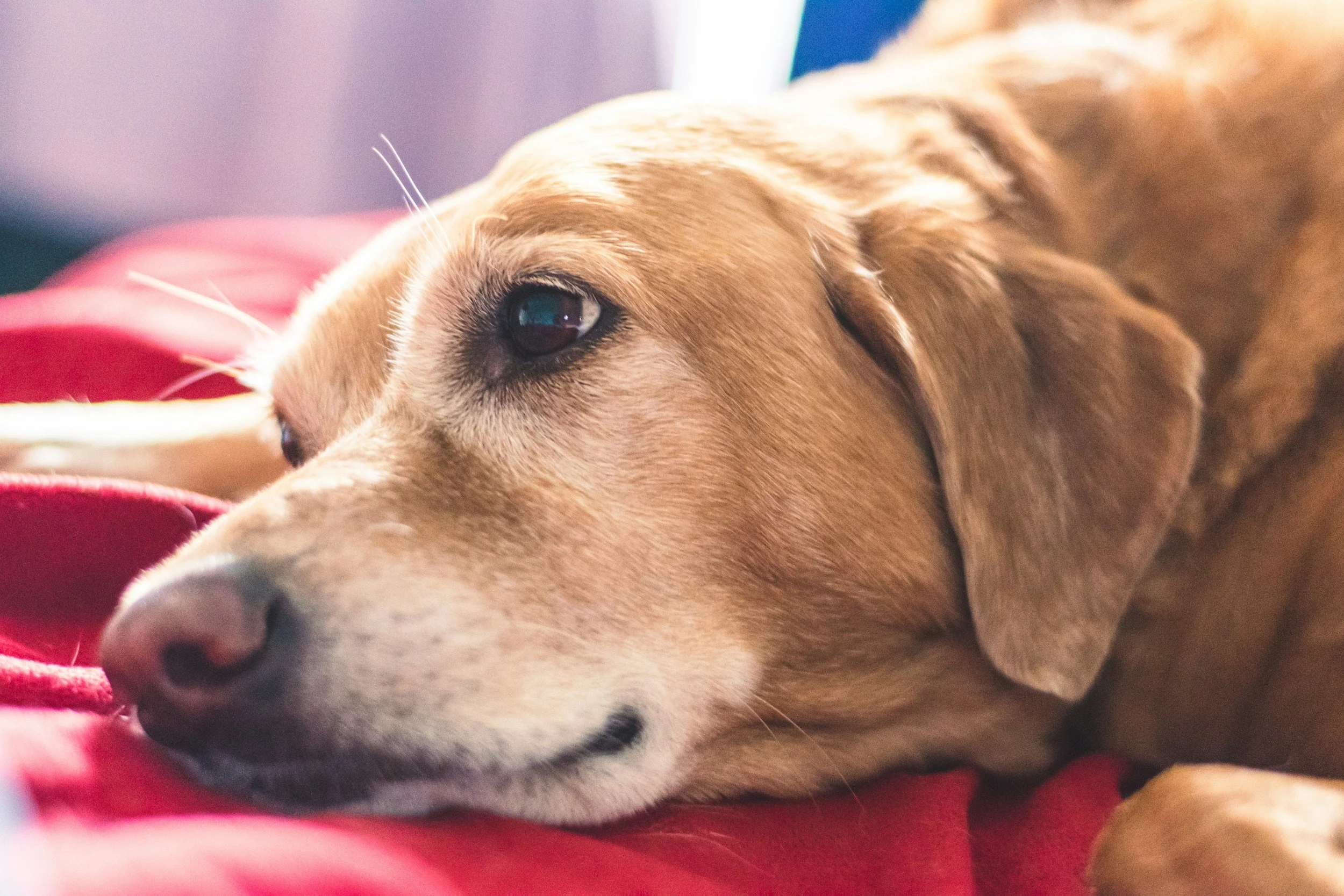
Grooming a senior dog isn't simply "the same routine, done a bit more gently." As dogs age, their bodies change in ways that genuinely affect how grooming should be approached, joints stiffen, skin thins, senses can dull, and tolerance for standing, handling and noise can all shift. A grooming routine that worked perfectly well for years can suddenly become uncomfortable, or even distressing, if it isn't adapted alongside your dog. This post is about what actually needs to change, and why.
Understanding What's Changing
Joints and mobility: Arthritis and general joint stiffness are extremely common in senior dogs, and grooming positions that were once effortless, standing for an extended period, having a leg lifted and held, being turned onto their side, can become genuinely uncomfortable or even painful. This isn't about a dog being difficult, it's a physical reality worth taking seriously.
Thinner, more fragile skin: Older dogs' skin tends to become thinner and less elastic, meaning it's more prone to nicks, tears and bruising during grooming, and can also become drier and more prone to irritation. Tools and techniques that were perfectly safe on younger, more resilient skin need a gentler touch.
Muscle loss and a bonier frame: As dogs age they naturally lose muscle mass, which means the spine, hips and other bony areas become more prominent than they once were. This genuinely affects grooming, pressure that was perfectly comfortable against a well-muscled younger dog can be uncomfortable against prominent bones, so a gentler touch and extra padding matter. A soft, well-padded surface to lie or stand on during grooming makes a real difference to a bonier senior dog, as does being mindful of how firmly you're handling areas where there's now less natural cushioning.
Reduced tolerance for standing: Many senior dogs simply can't comfortably stand still for as long as they once could, fatigue sets in faster, and a groom that used to take forty-five minutes without complaint might now need to be broken into shorter sessions.
Sensory changes: Hearing and eyesight often decline with age, meaning a senior dog may be more easily startled by sudden movement, touch, or the sound of clippers or a dryer, simply because they didn't see or hear it coming the way they once would have.
Cognitive changes: Canine cognitive dysfunction, a form of age-related cognitive decline sometimes likened to dementia, is genuinely common in older dogs, and can affect how a senior dog processes and tolerates handling. A dog who has become more prone to confusion, disorientation or anxiety may find grooming more unsettling than they once did, even if nothing about the physical process has changed. Patience, a calm environment, keeping to a familiar routine, and not rushing matter even more for a dog who may be finding the world a little more confusing than they used to.
Temperature sensitivity: Older dogs are often less able to regulate their body temperature effectively, meaning both cold bathing environments and hot dryers need more careful management than they might have with a younger, more resilient dog.
Lumps and bumps becoming more common: As dogs age, benign fatty lumps (lipomas), skin tags, warts and other growths become increasingly common, and grooming is often the moment these are actually discovered, run your hands over your dog's whole body regularly, not just during a formal groom. Most are harmless, but any new lump, or one that changes in size, shape or texture, is always worth a vet check rather than assumed to be nothing.
Adapting the Physical Process
Shorter, more frequent sessions: Rather than one long grooming session, breaking the process into shorter sittings, a trim one day, a bath the next, brief brushing sessions spread across the week rather than one marathon session, is often far more comfortable for a senior dog, even if it takes a little more planning on your part.
Time sessions around their best window of the day: Many arthritic senior dogs are noticeably stiffer and more uncomfortable first thing in the morning, and looser and more comfortable later in the day, or once any prescribed pain relief has had time to take effect. Rather than grooming whenever happens to be convenient, choosing your dog's genuinely most comfortable window of the day makes the whole process easier and kinder for them.
Supportive, non-slip surfaces throughout: A non-slip mat isn't optional for a senior dog, in the bath, on the grooming table, on the floor where they're standing. Stiff joints and reduced confidence in their footing make a slippery surface genuinely risky, both for comfort and for actual injury.
Extra support during positioning: Rather than expecting a senior dog to hold an uncomfortable position for an extended period, a leg lifted for trimming, lying on their side, providing physical support, a hand under the chest, a rolled towel for support, or simply working in shorter bursts with rest in between, respects what their body can genuinely manage.
A raised surface, or working at floor level: For a dog who struggles to get onto a grooming table, or where getting up onto one is itself uncomfortable, working at floor level, with you sitting or kneeling beside them, can be a kinder alternative to insisting on a table height that once worked fine.
Warm, draught-free spaces: Bathing and drying areas that were perfectly comfortable for a younger dog may now feel genuinely cold to a senior dog with reduced ability to regulate their temperature. A warm room, and thorough drying before any time in a cooler space, matters more than it once did. A drying coat, such as a Ruff and Tumble drying coat, is a genuinely useful addition here, wrapping a senior dog immediately after their bath helps retain body heat and absorb excess moisture during that particularly vulnerable window before they're fully dry, and many dogs find the gentle, snug wrap itself calming, which matters given the sensory changes covered above.
Coat and Skin Considerations
Coat changes with age: It's genuinely common for a senior dog's coat to change texture, sometimes becoming coarser, sometimes thinner and more sparse, and this can mean the tools and techniques that suited their coat for years need reassessing rather than assumed to still be right.
Watching for age-related skin changes: Beyond lumps and bumps already covered, grooming time is also a good opportunity to check for other age-related skin changes, dryness, thinning, sores that are slow to heal, or areas of hair loss, all worth mentioning to your vet if you notice them, since skin condition can be a useful early indicator of broader health changes as dogs age.
Gentler products for sensitive, ageing skin: A natural, pH-balanced shampoo matters at any age, but particularly for a senior dog whose skin barrier may already be more compromised. Avoid anything with harsh detergents or strong fragrance, the same reasoning covered in more depth in my post on grooming mistakes applies even more strongly here.
Dental awareness during grooming: Grooming time is a good opportunity to check your senior dog's mouth, dental disease becomes considerably more common with age, and I've written about this in detail in my post on dog dental health, well worth reading alongside this if you haven't already.
Ear and Eye Care
Ears: Senior dogs can be more prone to ear wax buildup and ear infections, particularly breeds with long or floppy ears where reduced airflow already makes hygiene harder. Regular, gentle ear cleaning becomes worthwhile, but always gently, cleaning only what you can easily see and reach, never poking down into the canal. I like the LUCAA+ Pet Ear Care spray from Ingenious Probiotics for this, a natural, probiotic-based cleaner that supports a healthy ear microbiome rather than stripping it and can be applied to a cotton pad and wiped gently around the ear if your dog dislikes being sprayed directly. Any signs of a genuine ear problem, head shaking, scratching, odour, redness or discharge, warrant a vet check rather than more home cleaning.
Eyes: Tear staining, discharge and general weepiness around the eyes can become more pronounced with age, and the skin around a senior dog's eyes is particularly delicate, so gentle, careful cleaning matters. Wipe gently away from the eye with a dog-safe eye wipe or a soft, damp cloth, never anything harsh, fragranced or alcohol-based near the eyes. LUCAA+ Pet Eye Care from Ingenious Probiotics is a gentle option formulated specifically for the eye area. Cloudiness in the eyes themselves is common in older dogs and often simply age-related, but any sudden change, excessive discharge, redness, or signs your dog's vision is deteriorating is worth raising with your vet, since it can occasionally signal something treatable.
Nail Care Becomes More Important, Not Less
Senior dogs are often less active than they once were, which means nails that would have been naturally worn down through exercise can grow longer than expected, and overgrown nails affect posture and gait in ways that compound existing joint discomfort. Regular, careful nail trims matter more in the senior years, not less, even though the trimming process itself may need to be gentler and more patient, given thinner, more sensitive paw pads and potentially reduced tolerance for handling.
Consider a rotary tool (Dremel-style grinder) over clippers: For senior dogs, a rotary grinder is often a gentler, safer option than traditional clippers. Rather than a single decisive cut, which carries a real risk of catching the quick, particularly as nails on a less active senior dog can grow longer and the quick can become harder to judge accurately, a grinder gradually files the nail down, giving you far more control and a much lower risk of a sudden, painful cut. This matters even more if your senior dog is on any medication affecting blood clotting, some heart medications and other common senior prescriptions can mean a nicked quick bleeds more heavily and takes longer to stop than it would in a younger, healthier dog. The trade-off is that a grinder is noisier and involves more sustained handling than a quick clip, so it needs its own gentle introduction if your dog isn't already used to one, but for many senior dogs, particularly those with dark nails where the quick is genuinely hard to see, it's a meaningfully safer choice.
Hygiene and Daily Checks Matter More
Reduced ability to self-groom: A stiff, arthritic or less flexible senior dog often simply can't reach and clean themselves the way they once could, particularly around the rear end, under the tail, and between the paw pads. This means matting, soiling and odour can build up in these specific areas even on a dog whose coat is otherwise well maintained. Regular hygiene trims around the rear, sanitary areas and paw pads become more important with age, not less, keeping these areas clean and neatly trimmed prevents discomfort, matting and skin problems that a senior dog can no longer manage themselves.
Incontinence and keeping clean: Some degree of incontinence, or simply less reliable toileting, becomes more common in senior dogs, and this makes regular cleaning of the rear and underside genuinely important for comfort and skin health. Urine or faecal soiling left on the coat or skin can quickly cause irritation, scalding and infection, particularly on the thinner, more fragile skin of an older dog. A daily check and gentle clean of these areas, using a dog-safe wipe such as Bugalugs natural pet wipes, or a warm damp cloth, is a small routine that makes a real difference to a senior dog's comfort and dignity, and it's nothing to feel squeamish or awkward about, it's simply part of caring well for an ageing dog.
Daily hands-on checks: Beyond the coat itself, getting into the habit of a brief daily check, running your hands over your dog, looking at their eyes, ears, mouth, paws and skin, becomes genuinely valuable in the senior years. Older dogs are more prone to a whole range of issues that are far easier to manage when caught early, sore spots, matting, skin irritation, overgrown nails, dental problems, lumps, or signs of discomfort they can't tell you about directly. A minute or two of gentle daily attention often catches things long before they'd otherwise be noticed.
Reading Discomfort, Not Just Compliance
A senior dog who's always been easy to groom may become quietly resistant, not through a change in temperament, but because something that used to be comfortable no longer is. Learning to read genuine discomfort, flinching, pulling away, stiffening, a change in breathing, rather than assuming reluctance is simply "being difficult," matters enormously here. I've covered reading calming signals in depth elsewhere on this blog, well worth revisiting with a senior dog specifically in mind, since these signals are exactly how they'll communicate that something needs to change.
If your previously easy-to-groom dog suddenly seems resistant: This is genuinely worth treating as information rather than a behaviour problem. A vet check to rule out pain, arthritis, dental discomfort, an ear infection, is a sensible first step before assuming it's simply a training or tolerance issue.
When to Consider Professional Support
A mobile groomer, coming to your home: For some senior dogs, particularly those who find travel, unfamiliar environments, or the general noise and activity of a salon genuinely stressful, a mobile groomer working from your own home can make a significant difference. Removing the car journey, the waiting, the sounds and smells of other dogs, and the unfamiliar setting altogether means your senior dog can be groomed in a space they already feel safe in, on their own bed if needed, at their own pace, without the added burden of coping with an unfamiliar environment on top of the grooming itself. Worth genuinely considering if your senior dog has become noticeably more anxious about salon visits, rather than assuming a stressful appointment is simply unavoidable.
A groomer experienced with senior dogs: If home grooming is becoming genuinely difficult, whether due to your senior dog's mobility, your own capacity to safely manage handling, or simply the time it now takes, a professional groomer experienced specifically with older dogs can make a real difference. Ask directly about their experience and approach with senior or arthritic dogs before booking, the same way you might for a nervous or rescue dog.
Shorter, more frequent professional visits: Rather than one longer full groom, some senior dogs do better with shorter, more frequent professional sessions, worth discussing with your groomer as an option if a full groom has become genuinely taxing.
Mobility support during transport and the visit itself: A groomer who's happy to help lift a dog in and out of a vehicle, who has a ramp or step available, or who's willing to work at floor level rather than insisting on a table, is worth seeking out specifically for a senior dog with mobility challenges.
A Final Thought
Grooming a senior dog well is really an exercise in paying closer attention, to their joints, their skin, their patience, their comfort, and adjusting accordingly rather than assuming the routine that worked for years will simply keep working forever. It's one more way of honouring the years they've given you, meeting them where they actually are now, rather than where they used to be.