The Ten-Day Switch: How to Change Your Dog's Food Without Chaos
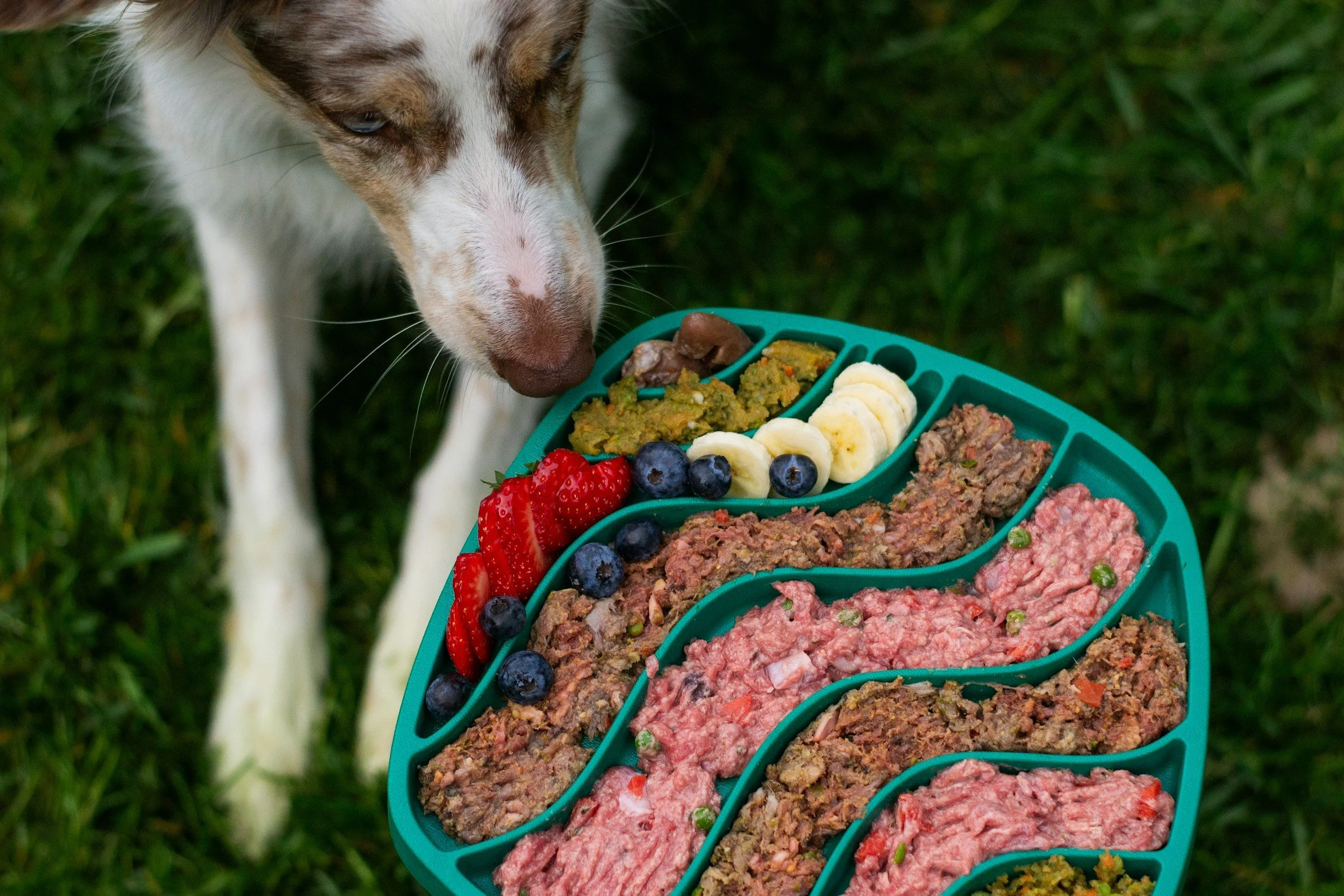
You've done the research, checked the ratings, and chosen something significantly better than what your dog is currently eating. The temptation at this point is to simply swap the food over and get on with it. Please don't. A sudden change in diet - even a change to something considerably better - is one of the most common causes of digestive upset in dogs. Loose stools, vomiting, excessive gas and a reluctant appetite are all hallmarks of a transition that happened too fast. Understanding why helps explain why patience here genuinely pays off.
Why the Gut Needs Time
A dog's digestive system is home to a vast and complex community of bacteria, the gut microbiome, that's largely shaped by what the dog has been eating over time. When you change the food, you're effectively changing the environment those bacteria live in. The existing bacterial population needs time to adjust, and the new beneficial bacteria introduced by a better diet need time to establish themselves. Switch too fast and the gut simply isn't ready. The result is digestive chaos that has nothing to do with the new food being wrong for your dog, it's purely a matter of pace. The good news is that this process is straightforward to manage. It just requires a little patience.
The Transition Schedule
A standard transition takes seven to ten days for most dogs moving between similar formats, for example, from one kibble to another, or from kibble to cold pressed. Moving to a significantly different format, such as introducing raw for the first time, benefits from a slower approach of two to three weeks.
Days 1 to 3: 75% old food, 25% new food. Start with just a small amount of the new food mixed into the existing food. For most dogs this causes no reaction at all, and it begins the process of introducing new ingredients gently.
Days 4 to 6: 50% old food, 50% new food. An equal mix. This is often where dogs with more sensitive digestions may show the first signs of loose stools. If that happens, hold at this ratio for an extra two or three days before moving forward rather than stepping back entirely.
Days 7 to 9: 25% old food, 75% new food. Almost there. The gut is adapting well at this stage for most dogs.
Day 10 onwards: 100% new food. Full transition complete. For dogs who've sailed through, you're done. For more sensitive dogs, an extra few days at the 75/25 stage before the final switch is perfectly sensible.
For puppies, seniors, or dogs with known digestive sensitivity, extend the full transition to three weeks minimum, moving through each stage more gradually. Their gut microbiomes are either still developing or less resilient, and a slower pace is always the kinder approach.
What to Watch For
Some mild changes in stool consistency during a transition are entirely normal and not a cause for concern, a slightly softer stool for a day or two at each new stage is simply the gut adjusting.
Signs the transition is going well:
Stool consistency returns to normal within a day or two of each increase
Good appetite and normal energy levels throughout
No vomiting
Signs to slow down:
Consistently loose or watery stools lasting more than two days at the same ratio
Excessive gas or bloating
Reduced appetite or reluctance to eat
If you see these signs, simply hold at the current ratio for an extra few days until things settle before increasing the new food further. There's no target date to hit - slowing down doesn't mean starting over.
Signs to stop and seek advice:
Vomiting more than once or twice
Blood in the stool
Complete loss of appetite lasting more than 24 hours
Lethargy or signs of distress
These warrant a call to your vet rather than persevering with the transition. In rare cases, a particular protein source or ingredient genuinely doesn't suit an individual dog, and it's important to rule that out.
Tips for Fussy Dogs
Some dogs, particularly those who've been eating the same highly palatable, heavily coated kibble for a long time, can be genuinely reluctant to accept a new food. The artificial palatability enhancers used in many mainstream kibbles are specifically designed to be irresistible, which can make a more natural, less chemically enhanced food seem unappealing by comparison at first. A few things that help:
Warm it slightly. Adding a small amount of warm water to the new food releases its natural aroma and makes it considerably more appealing. This works particularly well with cold pressed and raw formats.
Top it with something irresistible. A small spoonful of something your dog loves, a little bone broth, a scraping of sardine in spring water, a spoonful of kefir, mixed through the new food can bridge the gap while they adjust.
Don't panic and revert. Most fussy dogs will accept a new food within a few days once they're genuinely hungry. Offering the new food, leaving it for twenty minutes, and removing it if uneaten, rather than immediately replacing it with the old food, is often all it takes. A healthy dog will not starve itself.
Remove competing treats temporarily. If your dog is holding out for their usual treats while turning their nose up at the new food, temporarily removing high-value treats during the transition period levels the playing field.
Transitioning Between Specific Formats
The standard 7-10 day schedule above works as a baseline for most switches, but a few specific transitions are worth a closer look.
Kibble to Raw: This is the biggest shift a dog's digestive system will experience, since you're moving from a highly processed, high-carbohydrate food to an unprocessed, high-protein one. A three-week transition is strongly advisable rather than the standard ten days. Some raw feeding advocates recommend a brief 24-hour fast before the very first raw meal, giving the gut a clean starting point rather than mixing raw and kibble in the same sitting, since raw and kibble digest at very different speeds, feeding them together in one meal can cause more digestive upset than either alone. If you'd rather not fast your dog, introducing raw as a separate meal (rather than mixed into the kibble) and gradually increasing the proportion of raw meals across the week tends to work better than blending the two together in one bowl.
Kibble to Cold Pressed or Air Dried: A gentler shift than kibble to raw, since both formats are still dry and shelf-stable, but the standard 7-10 day mix-in schedule applies well here. Most dogs adjust comfortably, though cold pressed in particular can cause looser stools briefly during transition given how much faster it moves through the digestive system.
Kibble to Home Cooked: Similar considerations to kibble-to-raw in terms of pace, a three-week transition is sensible, introducing home-cooked meals gradually rather than switching overnight. Because home cooked diets vary so much recipe to recipe, it's worth settling on one consistent recipe for the transition period rather than varying ingredients meal to meal, so you can properly gauge how your dog is responding.
Raw back to Kibble or Cold Pressed (travel, kennelling, practical reasons): Most dogs handle this direction of change more easily than the reverse, since you're moving to a more processed, less digestively demanding food. Still, a gradual transition over several days rather than an abrupt switch reduces the chance of an upset stomach at an already stressful time, such as the day before travel or a kennel stay.
Switching Between Raw Brands or Proteins: Often overlooked, but worth a mention, moving from one raw brand to another, or introducing a new protein source (chicken to beef, for example) still benefits from a short transition, even though both are "raw." A new protein can occasionally cause loose stools on its own, regardless of format, so introduce one new protein at a time rather than several at once if you're expanding your dog's diet.
Mixing Raw and Cooked Food: What You Need to Know
This is one of the most debated topics in the raw feeding community, and it's worth understanding the reasoning on both sides rather than just picking a side.
The traditional concern: Raw and cooked (or kibble) food digest at different speeds. Raw meat moves through the digestive tract relatively quickly, while kibble, being drier and more processed, takes considerably longer. The traditional advice has been to avoid mixing the two in the same meal, on the theory that the kibble sitting in the stomach for longer could slow the raw food down too, creating a more hospitable environment for bacteria to multiply before the stomach's acids and the food have moved through.
What this means in practice: Rather than mixing raw and kibble together in one bowl, feed them as separate meals, raw in the morning, kibble in the evening, for example, or on alternating days. This sidesteps the digestion-speed concern entirely and is the approach most raw feeding advocates and holistic vets recommend if you want to combine formats.
The more relaxed, evidence-based view: It's worth saying plainly, the science behind the "never mix raw and cooked" rule is not as settled as it's often presented. Healthy dogs have robust digestive systems, and plenty of dogs do perfectly well on a mixed diet fed in the same meal, particularly if the transition to mixed feeding has been done gradually. If your dog tolerates it well, normal stools, no digestive upset, good energy - that's meaningful real-world evidence for your individual dog, whatever the theory says.
Where more caution is genuinely warranted: For puppies, seniors, or dogs with any history of digestive sensitivity, immune compromise, or a diagnosed gut condition, separating raw and cooked meals rather than combining them is the more cautious approach, and one I'd lean towards for those dogs specifically.
A practical middle ground many owners use successfully: feeding raw as the primary diet with a cold pressed or air dried topper mixed through (rather than kibble specifically) tends to cause fewer issues than mixing raw with standard kibble, since cold pressed and air dried break down faster than extruded kibble and are closer to raw in how they digest. If you want the convenience of mixed feeding without the digestion-speed concern, this combination is often the more comfortable middle ground.
The bottom line: If in doubt, separate raw and kibble into different meals rather than the same bowl, it's the lower-risk approach and costs nothing extra. But if you're already mixing them successfully with a healthy adult dog showing no signs of digestive upset, there's no strong evidence you need to change what's clearly working.